Deciphering Cat Sleeping Patterns
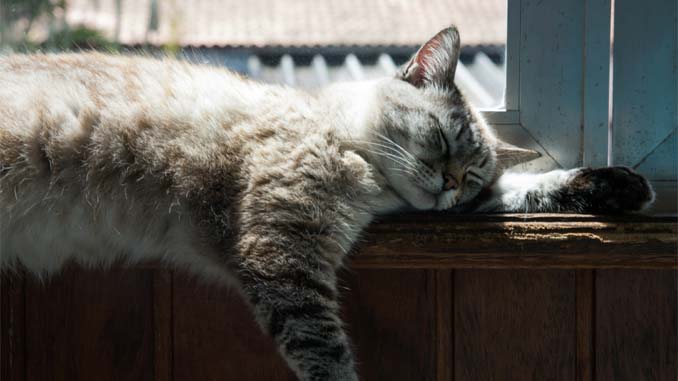
Cats are renowned for their love of sleep, and their sleeping patterns are a topic of fascination and wonder for cat owners. It’s not uncommon to find your feline friend dozing throughout the day, in seemingly random and unusual places. In this article, we’ll explore the intriguing world of cat sleeping patterns, including the reasons behind their need for sleep and the mysteries that shroud their restful hours.
1. Cats Are Natural Sleepers: Cats are crepuscular animals, which means they are most active during dawn and dusk. Their natural hunting instincts dictate their active periods, and they typically sleep during the day and night. A cat’s need for sleep is deeply ingrained in their biology, and they can sleep anywhere from 12 to 16 hours a day, depending on factors like age and activity level.
2. The Power Napper: Cat sleep is characterized by numerous short naps rather than one long, continuous sleep cycle. This style of sleeping is believed to be rooted in their wild ancestry, where they needed to remain vigilant to avoid predators or catch prey at a moment’s notice.
3. Comfort Is Key: Cats seek comfort and safety in their choice of sleep locations. You may find your cat curling up in sunny spots to keep warm or seeking out secluded, high-up locations where they can rest undisturbed. Cardboard boxes, windowsills, and cozy nooks are all popular cat nap spots.
4. Cats Dream Too: Like humans, cats experience different stages of sleep, including REM (Rapid Eye Movement) sleep, during which they may dream. You might notice their paws twitching or their whiskers quivering during REM sleep, suggesting that they’re actively dreaming.
5. Kittens Sleep More: Kittens and young cats require more sleep than their adult counterparts, with some kittens sleeping as much as 20 hours a day. This extended sleep period is essential for their rapid growth and development.
6. Factors Influencing Sleep: A cat’s sleeping patterns can be influenced by several factors, including their health, age, environment, and routine. Changes in any of these areas can impact their sleep habits. Stress, illness, or discomfort can also affect the quality and duration of their sleep.
7. Cat Naps Or Catnaps: Cats often take short, frequent naps rather than one long sleep. These catnaps allow them to conserve energy, remain alert, and quickly respond to changes in their environment. It’s not unusual for a cat to wake up, groom itself, and go back to sleep within a short time frame.
8. Sleeping For Survival: Sleeping is crucial for a cat’s survival. It helps them recharge their energy, maintain their physical health, and remain mentally sharp. The ability to sleep soundly is a sign of a safe and secure environment for a cat.
9. Maintaining Sleep Quality: To ensure that your cat enjoys high-quality sleep, provide them with a comfortable, clean, and quiet sleeping environment. Ensure their bed or sleeping area is located away from disturbances and excessive noise.
Cat sleeping patterns are a combination of instinct, biology, and environmental factors. Understanding and respecting your cat’s need for sleep is essential for their overall well-being. By providing a safe and comfortable environment and respecting their natural sleep patterns, you can ensure that your feline friend enjoys the rest they need to stay happy, healthy, and alert during their active hours.