A Sustainable Path Forward
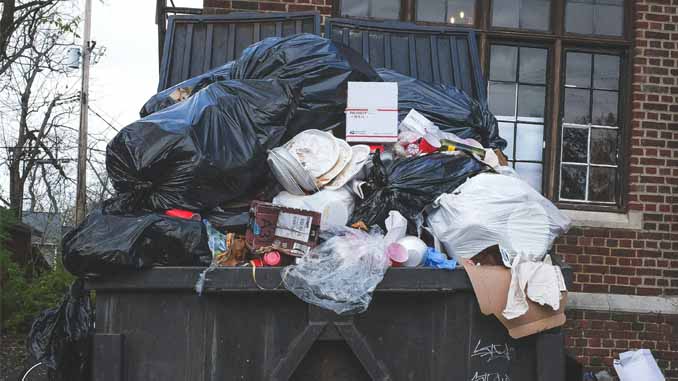
In a world where waste generation is on the rise, reducing landfill waste has become a critical mission for environmental sustainability. Landfills are a primary disposal method for various types of waste, but they pose significant environmental and social challenges. The path to a cleaner and more sustainable future involves minimizing the amount of waste that ends up in landfills and adopting strategies that reduce the strain on these facilities.
1. Embracing The 3Rs: Reduce, Reuse, Recycle
The foundation of reducing landfill waste lies in the principles of the 3Rs: Reduce, Reuse, and Recycle. Reducing waste starts with a conscious effort to consume less and make mindful choices about the products we buy. Reusing items whenever possible, rather than disposing of them after single use, also plays a crucial role in waste reduction. Recycling materials helps divert waste from landfills and reprocesses them into new products, thereby conserving resources.
2. Composting Organic Waste
A significant portion of landfill waste consists of organic materials such as food scraps and yard trimmings. Composting these materials not only reduces the volume of waste going to landfills but also produces valuable compost that can enrich soil and support sustainable agriculture. Composting is a simple yet effective way to reduce the environmental impact of landfill waste.
3. Waste-To-Energy Technology
Waste-To-energy (WTE) technology, as discussed in previous articles, is a powerful strategy for diverting waste from landfills and generating clean energy simultaneously. By incinerating waste at high temperatures, WTE facilities can significantly reduce waste volume and produce electricity and heat, making it a win-win solution for waste management and sustainable energy production.
4. Circular Economy Initiatives
The concept of a circular economy emphasizes designing products with end-of-life considerations in mind. Instead of creating products that become waste, the goal is to create items that can be repaired, reused, or easily recycled. This approach minimizes the need for landfill disposal and encourages resource conservation.
5. Extended Producer Responsibility (EPR)
EPR is a policy approach that places responsibility on manufacturers for the entire life cycle of their products, including the post-consumer phase. It encourages companies to design products that are easier to recycle and manage at the end of their life, thus reducing the waste that ends up in landfills.
6. Reducing Single-Use Plastics
Single-use plastics are a major contributor to landfill waste and environmental pollution. Strategies such as banning certain single-use plastics, promoting reusable alternatives, and encouraging recycling programs can significantly reduce the volume of plastic waste in landfills.
7. Public Awareness And Education
Effective waste reduction strategies rely on public awareness and education. Informing individuals about the environmental impact of landfill waste and providing guidance on reducing, reusing, and recycling can inspire behavioral change and promote sustainable practices.
Challenges And Considerations
While reducing landfill waste is essential for a more sustainable future, it is not without challenges. Resistance to change, inadequate waste management infrastructure, and economic factors can hinder progress. Overcoming these challenges requires collaboration among governments, industries, communities, and individuals to create a collective commitment to waste reduction and sustainability.
Reducing landfill waste is a critical component of our journey toward a cleaner and more sustainable world. By embracing the principles of the 3Rs, adopting waste-to-energy technology, and promoting a circular economy, we can significantly reduce the waste that ends up in landfills. With continued effort and innovation, we can make landfill waste reduction a reality and pave the way for a greener and more sustainable future.