A Guide To Effective Dog Training
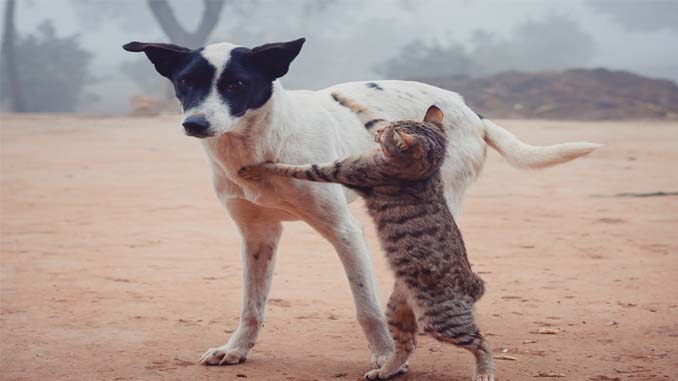
A well-behaved pup is a joy to be around. However, achieving this level of obedience and good behavior in your furry companion requires the right training methods. In this article, we’ll explore various techniques and methods for raising a well-behaved pup.
Positive Reinforcement
Positive reinforcement is one of the most effective methods for cultivating good behavior in your pup. This technique involves rewarding your dog when they exhibit desirable behavior. Treats, praise, toys, and affection are common rewards. When your pup associates good behavior with positive outcomes, they are more likely to repeat those actions.
Clicker Training
Clicker training is a precise and rewarding method for teaching dogs new behaviors. A small device, the clicker, emits a distinct sound that signals to your pup when they have performed the desired action correctly. This method enables clear communication and makes it easier for your pup to understand and learn commands.
Obedience Training
Obedience training focuses on teaching your pup essential commands like sit, stay, and come. These commands provide the groundwork for good behavior and ensure your pup’s safety in various situations. Consistency and patience are key when practicing obedience training.
Crate Training
Crate training is an effective method for housebreaking your pup and providing them with a safe, comfortable space. Pups have a natural instinct to seek out enclosed spaces, and crate training takes advantage of this. The crate becomes a secure den for your pup and helps prevent accidents in the house.
Leash Training
Leash training is crucial for well-behaved walks and outdoor activities. Proper leash training teaches your pup to walk beside you without pulling and respond to cues like stopping or changing direction. It promotes a sense of control and safety during walks.
Behavioral Modification
If your pup exhibits specific behavioral issues, such as aggression or anxiety, behavioral modification techniques can be employed. These methods address the root causes of the behavior and work to gradually change it through positive reinforcement and desensitization.
Consistency
Consistency is a vital element in dog training. Use the same commands, cues, and rewards consistently to avoid confusing your pup. Ensure that all family members and caregivers follow the same training guidelines.
Socialization
Socialization is the process of exposing your pup to different people, animals, and environments. Early and positive socialization helps your pup grow into a well-adjusted and confident dog. It reduces fear and aggression and improves their overall behavior and adaptability.
Patience
Patience is a virtue in dog training. Pups may not learn instantly, and some commands or behaviors may take time to master. Avoid punitive measures, as they can harm the trust between you and your pup. Instead, be patient and supportive throughout the training process.
Cultivating a well-behaved pup is a rewarding journey that requires dedication and effective training methods. Positive reinforcement, clicker training, obedience training, and crate training are all proven techniques that help shape a well-mannered and happy pup. Additionally, socialization, consistency, and patience play pivotal roles in fostering good behavior. By using these methods, you can create a strong bond with your pup and ensure that they become a cherished and well-behaved member of your family.