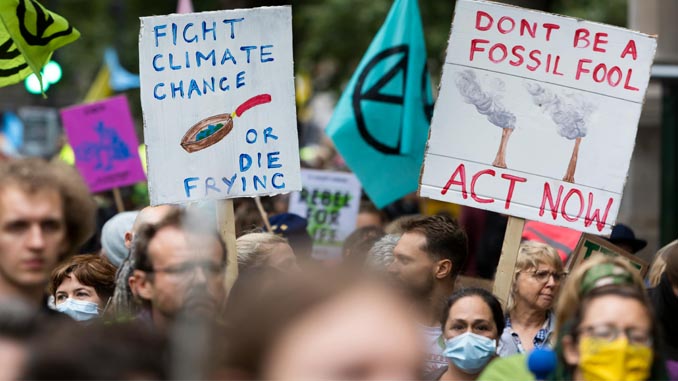
Global warming is one of the most pressing issues of our time, yet understanding the science behind it is essential to grasp its seriousness and urgency. Simply put, global warming refers to the long-term increase in Earth’s average surface temperature due to human activities, primarily the release of greenhouse gases.
The primary greenhouse gases responsible for global warming include carbon dioxide (CO₂), methane (CH₄), and nitrous oxide (N₂O). These gases trap heat from the sun in the Earth’s atmosphere, creating a “greenhouse effect.” While the greenhouse effect is a natural process that keeps our planet warm enough to support life, human activities have intensified it by adding excessive amounts of these gases, mainly through burning fossil fuels, deforestation, and industrial processes.
Carbon dioxide is the most significant contributor, released primarily from burning coal, oil, and natural gas for energy and transportation. Methane, which is more potent than CO₂ but shorter-lived in the atmosphere, comes from agriculture (especially livestock), landfills, and natural gas production. Nitrous oxide, although present in smaller amounts, is released from fertilizers and certain industrial activities.
Scientific measurements and observations provide clear evidence of global warming. Over the past century, Earth’s average temperature has risen by about 1.2 degrees Celsius (2.2 degrees Fahrenheit). This may seem small, but even minor changes in average temperature can disrupt weather patterns, cause polar ice to melt, raise sea levels, and increase the frequency and severity of extreme weather events like hurricanes, droughts, and heatwaves.
Climate scientists use sophisticated computer models to simulate the Earth’s climate system and predict future warming based on different greenhouse gas emission scenarios. These models consistently show that if emissions continue at current rates, global temperatures will rise to dangerous levels, threatening ecosystems, human health, and economies worldwide.
Understanding the science behind global warming highlights the need for urgent action. Reducing greenhouse gas emissions, transitioning to renewable energy sources, protecting forests, and adopting sustainable agricultural practices are critical steps to slow down the warming trend and safeguard our planet for future generations.