A Historical Overview
What Is The History Of Writing Systems?
Writing systems are one of humanity’s most significant inventions, enabling the recording, communication, and preservation of knowledge across generations. The history of writing systems is a fascinating journey that spans thousands of years, from early symbolic representations to the complex scripts we use today.
Origins Of Writing
The development of writing began as a way to overcome the limitations of spoken language and ensure that important information could be stored and passed down. One of the earliest forms of writing appeared in Mesopotamia around 3100 BCE, marking the beginning of human record-keeping. The earliest writing system, known as cuneiform, emerged in Sumer (modern-day Iraq). Cuneiform was composed of wedge-shaped marks inscribed on clay tablets using a reed stylus. It initially served administrative and economic purposes, such as documenting trade, taxes, and royal decrees.
The Invention Of Hieroglyphs In Ancient Egypt
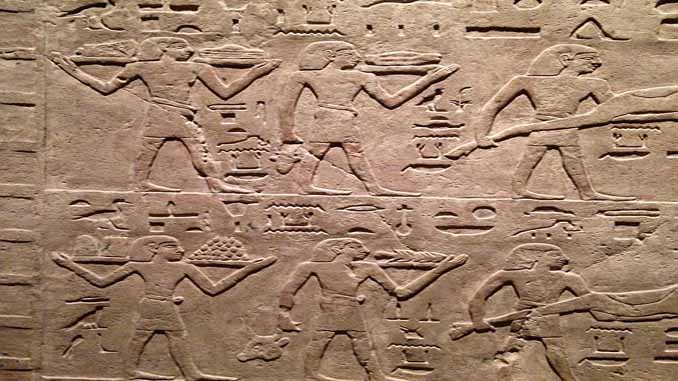
Around the same time as cuneiform, hieroglyphs developed in Ancient Egypt (around 3000 BCE). These pictorial symbols were used primarily for religious and ceremonial purposes, inscribing tombs, temples, and other monuments. Unlike cuneiform, hieroglyphs could represent both sounds and concepts, allowing for more complex expressions of ideas. The use of hieroglyphs expanded to record the history, myths, and religious beliefs of the Egyptians.
The Phoenician Alphabet
One of the most significant milestones in the history of writing systems was the Phoenician alphabet, which emerged around 1500 BCE. The Phoenicians, a maritime trading people of the ancient Near East, developed a system of 24 consonant symbols that represented distinct sounds. This alphabet was simpler and more accessible than earlier systems like cuneiform and hieroglyphs. It laid the foundation for the development of many modern alphabets, including the Greek and Latin scripts.
The Spread Of Writing Systems
The Phoenician alphabet influenced the development of several writing systems across the Mediterranean and beyond. The Greek alphabet (around 800 BCE) adapted the Phoenician system to include vowels, creating the first fully functional alphabet. This system eventually gave rise to the Latin alphabet used in many modern languages, such as English, Spanish, and French.
Similarly, Sanskrit and Indian scripts like Brahmi contributed to the development of numerous writing systems in South and Southeast Asia, such as Devanagari (used for Hindi and Sanskrit) and Tamil scripts.
Chinese Writing System
In East Asia, the Chinese writing system dates back over 3,000 years and is one of the oldest continuous writing systems in the world. Unlike alphabetic systems, Chinese writing is logographic, meaning each character represents a word or concept. The complex system of thousands of characters was initially developed for administrative and philosophical purposes and remains vital in modern Chinese, Japanese, and Korean.
Modern Writing Systems
Today, writing systems have evolved into diverse forms, including alphabets, syllabaries, and logographs. The spread of literacy, printing, and digital technology has transformed how writing is used, but the core principles of these systems—symbols representing sounds, words, or ideas—remain unchanged.
The history of writing systems is a testament to humanity’s quest for communication and knowledge preservation. From cuneiform and hieroglyphs to the Phoenician alphabet and modern scripts, writing systems have shaped human civilization, connecting people across cultures and eras.