A Sustainable Path To A Greener Future
In an era defined by environmental consciousness and the quest for sustainable solutions, harnessing natural power has emerged as a pivotal strategy. This approach leverages the innate energy potential of natural elements like wind, sunlight, and water to generate clean, renewable energy. In this article, we explore the significance of harnessing natural power and its pivotal role in transitioning towards a greener and more sustainable future.
Unlocking The Power Of The Elements: Natural power, often harnessed through renewable energy technologies, draws upon the immense energy stores provided by the Earth’s natural elements. These elements include sunlight, wind, and water, each offering unique opportunities for generating electricity and addressing our growing energy needs.
Solar Energy: Solar power is a frontrunner in harnessing natural power. Solar panels capture energy from the sun’s rays, converting it into electricity through photovoltaic cells. This technology has become increasingly efficient and affordable, making it accessible to both residential and industrial consumers. Solar power not only reduces reliance on fossil fuels but also contributes to energy independence.
Wind Energy: Wind turbines are another means of harnessing natural power. These towering structures transform wind energy into electricity, delivering a steady stream of clean power. Wind energy’s versatility allows for both onshore and offshore installations, harnessing the power of the wind to generate electricity and reduce greenhouse gas emissions.
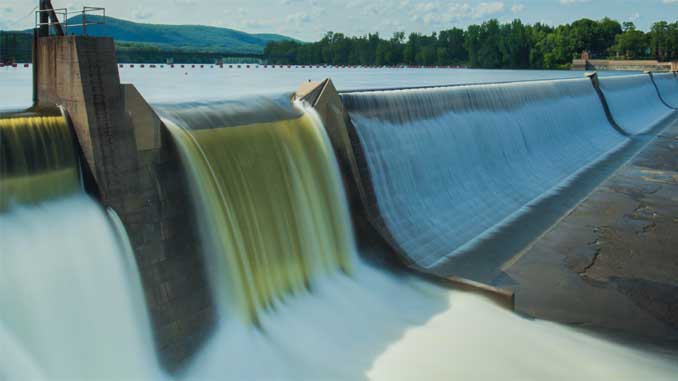
Hydropower: Hydropower has been harnessed for centuries, but modern technology has improved its efficiency and environmental sustainability. Dams, turbines, and generators convert the kinetic energy of flowing water into electricity. Large-scale hydropower plants play a crucial role in providing clean energy while maintaining consistent power production.
Environmental Benefits: One of the key advantages of harnessing natural power is the reduced environmental impact. Unlike fossil fuels, these natural power sources produce no harmful emissions, minimizing air and water pollution. They also conserve natural habitats and resources, as well as protect biodiversity.
Energy Independence: Harnessed natural power contributes to greater energy independence. By reducing reliance on fossil fuels, nations can secure a more stable and self-sufficient energy supply. This independence fosters national resilience and reduces vulnerability to volatile fossil fuel prices.
Challenges And Advances: While the potential of natural power is vast, challenges remain. Intermittency, energy storage, and grid integration are key issues to address. Technological advancements in energy storage solutions, smart grids, and infrastructure development are underway to ensure a steady and reliable energy supply.
The Way Forward: Harnessing natural power is a sustainable pathway towards a greener future. To make the most of these renewable energy sources, investments in research and development, supportive policies, and public awareness are essential. Governments, businesses, and individuals can collaborate to accelerate the adoption of clean energy technologies.
The practice of harnessing natural power is a critical step in our journey toward a more sustainable and environmentally conscious world. By tapping into the abundant energy sources provided by nature, we can reduce our carbon footprint, promote energy independence, and safeguard our planet’s future. Embracing these natural power solutions not only benefits the environment but also paves the way for a cleaner and more prosperous world for generations to come.