The Blueprint For Life
What Is DNA?
DNA, or deoxyribonucleic acid, is the hereditary material found in all living organisms. It holds the blueprint for life, carrying the instructions necessary for the development, functioning, and reproduction of all living things. DNA is present in the cells of plants, animals, bacteria, and humans, and it plays a fundamental role in the transmission of genetic information from one generation to the next.
The Structure Of DNA
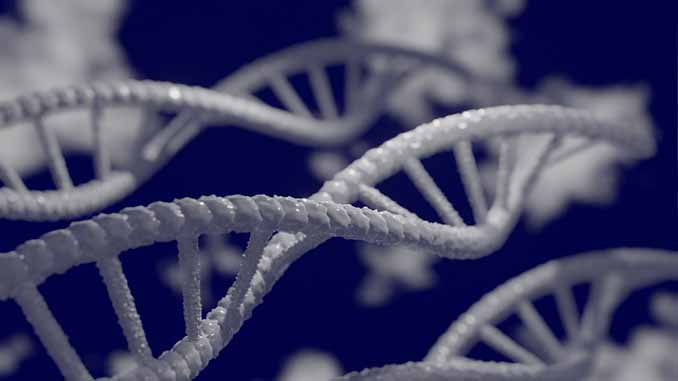
DNA is composed of two long strands twisted into a double helix, much like a spiral staircase. Each strand is made up of smaller building blocks called nucleotides. Nucleotides are composed of three components: a phosphate group, a sugar molecule (deoxyribose), and one of four nitrogenous bases—adenine (A), thymine (T), cytosine (C), and guanine (G). These bases pair specifically: adenine always pairs with thymine, and cytosine always pairs with guanine. This base pairing is crucial for the stability of the double helix structure.
The sequence of these nitrogenous bases—A, T, C, and G—determines the genetic code that encodes all biological information. The sequence acts like a unique “recipe” that provides instructions for building proteins, which are essential for virtually every function in living organisms.
Function Of DNA
The primary function of DNA is to store and transmit genetic information. It contains the instructions for making proteins, which perform a wide range of tasks, from supporting growth and repair to regulating cellular processes. Proteins are made according to the specific instructions encoded by genes—segments of DNA that contain the code for a particular trait or function.
DNA also plays a critical role in heredity. It is passed down from parent to offspring, ensuring that genetic information is inherited and maintained across generations. Each organism inherits half of its DNA from each parent, giving rise to unique traits and characteristics.
Replication And Cellular Division
DNA replication is a vital process in cell division. Before a cell divides, its DNA is copied so that each new cell receives an identical set of genetic instructions. This ensures that the genetic information is accurately passed on from one generation of cells to the next. The process of DNA replication is highly precise, maintaining the integrity of genetic information.
Importance Of DNA In Genetics
The discovery of DNA’s structure and its role in genetics has revolutionized our understanding of life. It has applications in many fields, including medicine, agriculture, and forensic science. DNA testing helps identify individuals, diagnose genetic disorders, and develop treatments tailored to an individual’s genetic makeup. In agriculture, genetic modifications based on DNA have led to the development of crops with improved yields and resistance to pests and diseases.
DNA is the fundamental molecule that carries the instructions essential for life. Its double helix structure and sequence of nucleotides form the blueprint for every living organism. From growth and development to heredity and evolution, DNA plays a crucial role in shaping life as we know it.