What Your Feline Friend Is Telling You
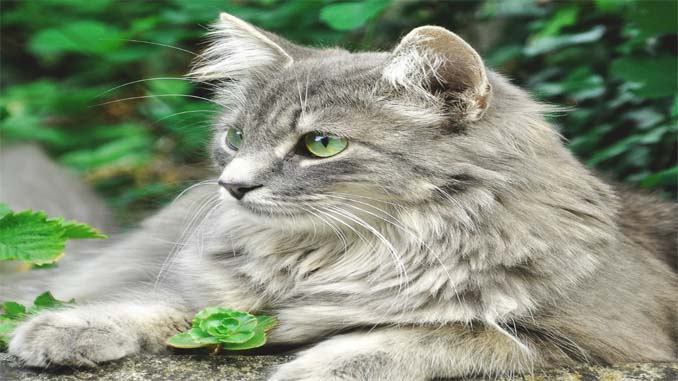
Cats are known for their mysterious and expressive body language, and one of the most telling aspects of their non-verbal communication is their tail. A cat’s tail is like a barometer of their emotions, offering valuable insights into their state of mind. In this article, we’ll explore the fascinating world of cat tail language and what your feline friend might be trying to convey.
1. Straight Up And Quivering: When a cat’s tail is held high and quivering at the tip, it’s typically a sign of excitement and anticipation. Your cat may be thrilled to see you, play, or receive a treat.
2. Puffed Up And Arched: A puffed-up tail, similar to a bottlebrush, is a classic sign of a frightened or threatened cat. It’s an attempt to make themselves appear larger and more intimidating.
3. Straight Up And Fluffed: When a cat’s tail is held high and fluffed, it indicates that they are feeling defensive or agitated. This often occurs when they encounter a perceived threat.
4. Low And Tucked Between Legs: A cat tucking its tail between its legs is a clear sign of fear or submission. It’s an attempt to make themselves appear smaller and less threatening.
5. Slow Side-To-Side Swishing: A tail swishing slowly from side to side is a sign of a cat’s irritation or annoyance. It’s a warning sign that they may become agitated if the source of their annoyance continues.
6. Rapid Side-To-Side Swishing: A tail swishing rapidly from side to side often signifies that a cat is highly agitated and potentially aggressive. This is a clear signal to back off and give the cat space.
7. Tail Wrapped Around Another Cat Or Object: Cats will wrap their tails around other cats, objects, or even their humans as a sign of affection and friendship. It’s a gesture of closeness and connection.
8. Curled Around Body: A cat that curls its tail around its body while resting is generally in a content and relaxed state. They feel safe and comfortable in their environment.
9. Lashing Tail: A lashing or thrashing tail is a strong sign of a cat’s frustration, anger, or overstimulation. It’s often seen in cats during play when they become too excited.
10. Twitching Tip: A twitching tail tip can signify curiosity or intense focus. Cats may do this when observing prey, a toy, or something intriguing.
11. Slow Wagging Tail: A slow, deliberate wag of the tail often indicates a cat’s mild annoyance or impatience. It’s a signal to pay attention to their cues.
12. Tail Held Low And Straight: A cat with its tail held low and straight may be signaling submission, especially when accompanied by other signs of fear or stress.
Understanding cat tail language is an essential skill for any cat owner. It allows you to gauge your cat’s mood and respond appropriately to their needs. It’s crucial to consider the context of the tail position and any other accompanying body language to interpret your cat’s emotions accurately.
Remember that each cat is an individual, and while tail language is a valuable indicator, it should be considered alongside other cues like ear position, body posture, and vocalizations. With time and observation, you’ll become increasingly skilled at understanding your cat’s tail language, strengthening the bond between you and your feline companion.