Understanding Feline Body Language
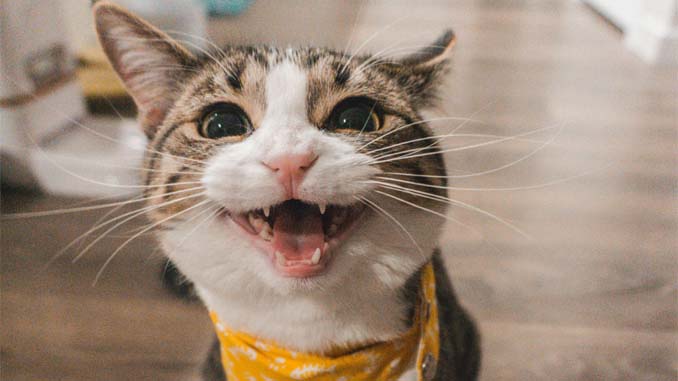
Cats are renowned for their expressive body language, which serves as a window into their thoughts, emotions, and intentions. While they may not communicate through spoken words, their movements, postures, and gestures reveal a wealth of information. In this article, we will delve into the fascinating realm of cat body language, exploring the various ways cats use their bodies to communicate.
1. Tail Position:
A cat’s tail is a significant indicator of their mood and feelings. Different tail positions convey distinct messages:
Straight Up: When a cat holds its tail straight up, it’s a sign of confidence and contentment. This posture often accompanies friendly greetings.
Puffed Up: A puffed-up tail is a classic sign of fear or agitation. Cats puff up their tails to appear larger and more intimidating in threatening situations.
Tucked Under: When a cat tucks its tail between its legs, it usually signifies submission or fear. It’s a way for them to make themselves appear smaller.
Low And Quivering: A low, quivering tail can indicate excitement or anticipation. It’s often seen in cats who are eagerly awaiting something, like playtime or a meal.
Slow Side-To-Side Swishing: This tail movement often signifies annoyance or irritation. It’s a warning sign that the cat may become agitated if the source of their annoyance persists.
2. Ears:
A cat’s ears are highly expressive and provide valuable insight into their mood:
Forward And Upright: Ears in this position indicate alertness and interest. Your cat is engaged and focused on something.
Flat And Backward: When a cat’s ears are flat against their head, it usually signifies fear, aggression, or annoyance. This is a sign that the cat feels threatened or agitated.
3. Whiskers:
Whiskers play a role in a cat’s sensory perception and body language:
Relaxed And Fanned Out: Whiskers that are relaxed and fanned out indicate contentment and relaxation.
Pulled Back Tightly: When a cat’s whiskers are pulled back tightly against their face, it’s often a sign of fear or aggression. The cat is trying to make itself appear smaller and less threatening.
4. Eye Contact:
Cats use eye contact to convey various messages:
Slow Blinking: A slow blink from a cat is a sign of trust and affection. It’s often referred to as a “cat kiss” and is reciprocated by cat owners as a sign of love.
Direct Stare: Prolonged and direct eye contact can be seen as a challenge or a threat in cat language. It’s best to avoid sustained eye contact in such situations.
5. Posture:
A cat’s overall body posture provides important clues to their feelings:
Arched Back: An arched back, often with fur raised, is a sign of fear or aggression. It’s a defensive posture that makes the cat appear larger and more intimidating.
Rolling Over: When a cat rolls onto its back, it may signal submission and trust. However, it’s important to consider other cues, as some cats do this before playfully attacking.
Understanding and interpreting cat body language is an invaluable skill for cat owners. It enables you to build a deeper bond with your feline friend, anticipate their needs, and respond appropriately to their emotions. By paying attention to the nuances of tail position, ear and whisker orientation, eye contact, and overall posture, you can communicate effectively with your cat and ensure their well-being and comfort.