A Skeptical Perspective
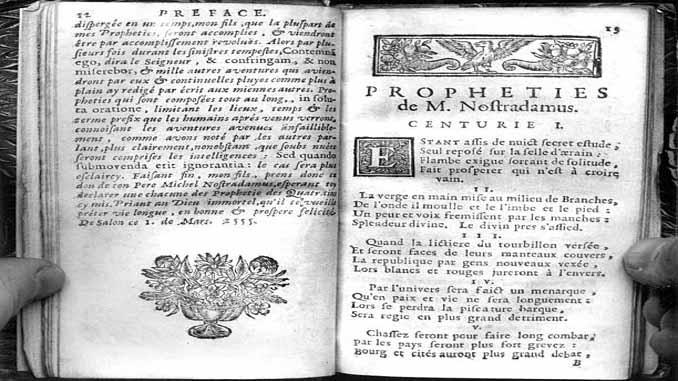
The prophecies of Michel de Nostredame, widely known as Nostradamus, have fascinated and mystified people for centuries. His cryptic quatrains, collected in “Les Prophéties,” are often seen as containing hidden messages about the future. However, a skeptical perspective seeks to debunk the idea that Nostradamus possessed extraordinary prophetic abilities. Skeptics argue that his writings are vague and open to a wide range of interpretations, making them a poor basis for predicting future events.
One of the key points of contention among skeptics is the ambiguity of Nostradamus’ language. His quatrains are replete with metaphorical and symbolic references, allowing for multiple interpretations. Critics contend that this vagueness makes it easy to apply his verses to virtually any historical event after the fact, effectively engaging in post-event retrofitting. This means that Nostradamus’ quatrains can be used to “predict” a wide array of occurrences, from the rise of political leaders to natural disasters, with little regard for their original intent.
Skeptics also emphasize the lack of empirical evidence for Nostradamus’ supposed prophetic abilities. They argue that belief in his predictions is largely rooted in confirmation bias, where believers selectively focus on the handful of quatrains that appear to match historical events while ignoring the majority that do not. The scientific method and the principles of critical thinking, which demand empirical evidence and verifiable predictions, are often conspicuously absent from the believers’ claims.
Moreover, critics highlight the historical context in which Nostradamus lived. His era was marked by political, religious, and social turmoil, and his quatrains can be viewed as a reflection of the uncertainties and anxieties of his time. Skeptics argue that his writings may have been more about capturing the spirit of the era than providing specific glimpses of the future. They maintain that the events he purportedly predicted can often be seen as general reflections of the historical climate of his time.
Another common target for debunking is the selective use of Nostradamus’ quatrains by believers. Skeptics assert that proponents of Nostradamus often cherry-pick the quatrains that seem to match historical events while ignoring those that do not. This selective interpretation of his work contributes to the perception of his supposed prophetic abilities.
The skeptical perspective on Nostradamus’ prophecies seeks to debunk the notion that he possessed extraordinary foreknowledge of the future. Skeptics emphasize the ambiguity of his language, the absence of empirical evidence, and the selective interpretation of his quatrains by believers. While the allure of Nostradamus and his enigmatic verses endures, the skeptical perspective serves as a reminder that critical thinking and rigorous evidence are essential for assessing the validity of claims about the ability to predict the future. Whether one believes in Nostradamus or not, the ongoing debate continues to fuel curiosity and contemplation about the mysteries of prophecy and the uncertainties of the future.