Turning Trash Into A Sustainable Power Source
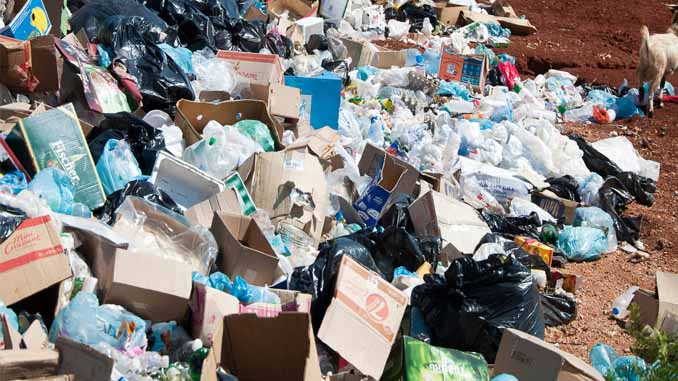
In the modern era of environmental consciousness and sustainable energy solutions, the concept of producing clean electricity from waste has emerged as a game-changer. The traditional approach of burying waste in landfills is increasingly being replaced by innovative technologies that not only manage waste efficiently but also generate electricity in an environmentally responsible manner. This approach represents a paradigm shift, turning trash into a valuable resource and a sustainable power source.
The Waste-To-Electricity Process
Waste-To-Electricity (WTE) technology is the driving force behind the transformation of waste into clean electricity. It involves various processes such as incineration, gasification, and pyrolysis, which convert waste materials into heat, which is then used to produce electricity. The energy generated can be used to power homes, businesses, and industries, reducing the strain on conventional energy sources and decreasing our carbon footprint.
Diverse Waste Streams
WTE technology is versatile in its application, as it can process a wide range of waste materials. This includes municipal solid waste, biomass, agricultural residues, and even non-recyclable plastics. By harnessing the energy content of these waste streams, we not only address waste management concerns but also contribute to a sustainable energy mix.
Environmental Benefits
Clean electricity from waste offers a host of environmental advantages. One of the most significant benefits is the reduction of greenhouse gas emissions. WTE facilities are designed to burn waste at high temperatures, effectively minimizing the release of harmful pollutants into the atmosphere. This contributes to cleaner air and helps combat climate change.
Moreover, WTE technology significantly reduces the need for landfills, which are notorious for contaminating groundwater and emitting harmful gases. By diverting waste from landfills, we mitigate the environmental impact of waste disposal and reduce the risk of soil and water contamination.
Reducing Dependency On Fossil Fuels
A crucial aspect of clean electricity from waste is its ability to reduce our reliance on fossil fuels. As we utilize waste materials to generate electricity, we decrease the demand for non-renewable resources. This shift promotes a more sustainable energy ecosystem and aligns with global efforts to transition away from fossil fuels.
Economic And Social Benefits
Beyond its environmental advantages, WTE technology brings economic and social benefits to communities. WTE facilities create jobs, stimulate local economies, and provide a stable source of revenue by selling surplus electricity to the grid. This not only fosters economic growth but also enhances the sustainability of waste management practices.
Challenges And Considerations
While the concept of clean electricity from waste is promising, it does face challenges, including public perception and concerns about emissions from WTE facilities. To overcome these challenges, stringent regulations, advanced emission control technologies, and effective waste sorting systems must be implemented.
Clean electricity from waste represents a significant stride toward a cleaner and more sustainable energy future. It not only addresses the issue of waste management but also contributes to reducing carbon emissions and our dependence on fossil fuels. To fully harness the potential of clean electricity from waste, continued investment in technology, research, and responsible waste-to-energy practices is essential. This way, we can transform trash into a valuable resource, turning a waste problem into a clean energy solution.