Keeping Your Garden Beautiful And Healthy
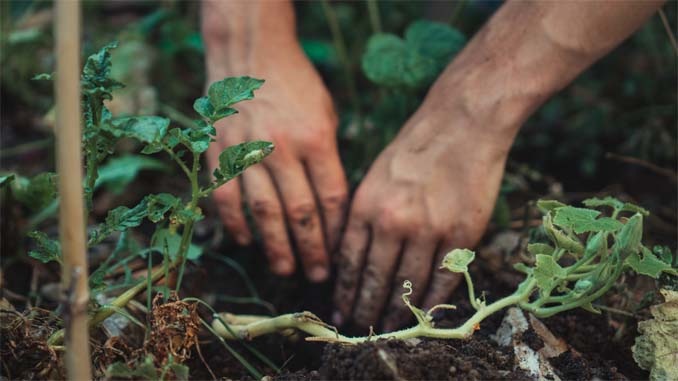
Weeds, those persistent and unwelcome intruders in your garden, can be a gardener’s most frustrating challenge. However, effective weed management is essential to maintain the beauty and health of your outdoor space. In this article, we’ll explore the importance of weed management and provide tips to keep those pesky plants in check.
The Impact Of Weeds: Weeds are more than just a cosmetic issue. They can compete with desirable plants for essential resources like sunlight, water, and nutrients. Left unmanaged, weeds can overtake your garden, causing harm to the plants you want to thrive. Weeds can also provide shelter and sustenance to garden pests, which can further disrupt the well-being of your garden.
Preventative Measures:
The first step in effective weed management is prevention. Here are some strategies to consider:
Mulching: Apply a layer of organic mulch to your garden beds. Mulch not only conserves soil moisture and regulates temperature but also suppresses weed growth by blocking out sunlight.
Landscape Fabric: Landscape fabric or weed barrier cloth can be placed under mulch to provide an extra layer of weed control. It allows water to pass through while inhibiting weed growth.
Plant Density: Plant your garden densely to create competition for sunlight and nutrients, leaving less room for weeds to take hold.
Regular Inspection: Routinely inspect your garden for early signs of weeds. It’s much easier to deal with a few weeds when they’re small than to tackle a full-blown infestation.
Manual Weed Removal:
When weeds do appear, one of the most effective ways to manage them is through manual removal. Here’s how to do it:
Use The Right Tools: Invest in a good set of hand tools for weeding, including a hand trowel, weeder, and a sharp hoe.
Get To The Roots: When weeding, it’s crucial to remove the entire plant, including the roots. Weeds left with their roots intact can quickly grow back.
Weed After Rain Or Irrigation: It’s easier to remove weeds when the soil is moist. Weeding shortly after rain or watering can make the task less labor-intensive.
Proper Disposal: After weeding, make sure to dispose of the pulled weeds properly. Don’t leave them in your garden, as some weeds can regrow from detached pieces.
Chemical Weed Control: While manual weed removal is the most environmentally friendly approach, there are situations where chemical weed control is necessary. If you decide to use herbicides, keep these principles in mind:
Selective Herbicides: Choose herbicides that target specific types of weeds while sparing your desired plants. Read labels carefully.
Follow Directions: Always follow the manufacturer’s instructions for mixing, application, and safety precautions. Protective gear may be required.
Timing: Apply herbicides when weeds are actively growing, typically in the spring or early summer.
Weed Identification: It’s crucial to accurately identify the weed species you’re dealing with to select the appropriate herbicide.
Maintaining Vigilance: Weed management is an ongoing process. Regularly inspect your garden, pulling or treating weeds as needed. By staying vigilant, you can prevent weed infestations from taking over your garden.
Weed management is a fundamental aspect of gardening that requires a combination of prevention, manual effort, and, when necessary, the judicious use of chemicals. By effectively managing weeds, you can ensure that your garden remains beautiful, healthy, and a place of enjoyment for years to come.