Embracing Simplicity And Sustainability
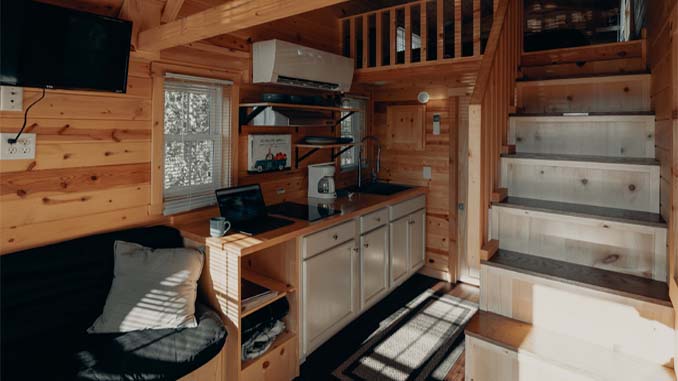
In a world where urbanization and population growth are rapidly encroaching on available space, the concept of Tiny House Living has emerged as a revolutionary approach to housing design. Tiny House Living is about embracing minimalism, maximizing space utilization, and minimizing the environmental footprint of our homes. These ingeniously designed, compact dwellings challenge conventional notions of what a home should be, offering an alternative lifestyle that prioritizes simplicity, sustainability, and freedom from the burdens of excessive material possessions.
Tiny House Living isn’t just about living in small spaces; it’s a philosophy that’s gaining popularity worldwide. It’s a choice to downsize and simplify, allowing individuals and families to lead more intentional lives. The movement is driven by a desire to reduce environmental impact, lower costs, and free up time for what truly matters.
One of the most compelling aspects of the Tiny House Lifestyle is its focus on minimalism. Living in a tiny house necessitates a careful evaluation of one’s possessions. This shift towards owning fewer things allows for a clutter-free, stress-free environment. People find themselves no longer burdened by the weight of material possessions but rather liberated to explore other aspects of life.
Maximizing space utilization is at the heart of tiny house design. Every square inch is carefully considered and used efficiently. Multi-functional furniture, built-in storage, and innovative space-saving solutions are key elements of tiny house living. These homes prove that you don’t need a massive space to live comfortably; you just need a well-thought-out layout and design.
Reducing the environmental footprint is another driving force behind the Tiny House Lifestyle. Tiny houses are typically built with sustainable materials and are energy-efficient. Their compact size requires fewer resources to construct and maintain. Furthermore, living small encourages individuals to consume less, reduce waste, and lead a more eco-friendly life. Some tiny houses even incorporate off-grid systems, such as solar panels and composting toilets, to further minimize their impact on the environment.
The Tiny House Lifestyle offers financial benefits as well. With lower construction costs and reduced energy bills, tiny house owners often find themselves with more disposable income. This financial freedom allows for investments in experiences rather than possessions. It’s about prioritizing the moments and adventures that truly enrich our lives.
While the Tiny House Lifestyle may not be for everyone, it has a growing community of enthusiasts who support and inspire one another. Tiny house communities, both physical and online, provide a sense of belonging and shared values. They foster a culture of collaboration and sustainability, promoting the exchange of ideas and solutions.
The Tiny House Lifestyle is a fascinating alternative to conventional housing that challenges the status quo. It’s about embracing minimalism, maximizing space utilization, and minimizing one’s environmental footprint. The movement empowers individuals to live intentionally, simplify their lives, and reduce their impact on the planet. Tiny house living isn’t just about a small house; it’s about a big life filled with purpose, sustainability, and freedom. As urbanization and population growth continue to put pressure on available space, the Tiny House Lifestyle stands as an inspiring response to the question of how we can live better with less.