The Key To Vitality
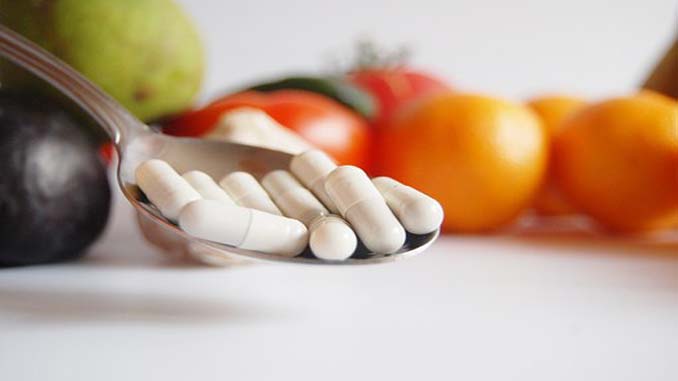
Nutrient absorption is a fundamental physiological process that occurs within our bodies every day, yet its significance often goes unnoticed. This intricate process is the gateway through which essential nutrients from the food we consume are taken up by our bodies and put to use, fueling our growth, sustaining our health, and maintaining our well-being. In this article, we will delve into the world of nutrient absorption, exploring its importance, mechanisms, and factors that influence it.
The Significance Of Nutrient Absorption
Nutrient absorption is the bridge between the food we eat and the nutrients our bodies need to function optimally. It is crucial for maintaining health, supporting growth, and providing energy for daily activities. Without effective nutrient absorption, the body would struggle to obtain the vital elements required for various bodily functions.
The Digestive System’s Role
The process of nutrient absorption begins in the digestive system, where food is broken down into smaller molecules through mechanical and chemical digestion. The small intestine, in particular, plays a central role in nutrient absorption. Its walls are lined with tiny finger-like projections called villi, which are covered in even smaller hair-like structures known as microvilli. These structures increase the surface area available for nutrient absorption.
Types Of Nutrients Absorbed
Several types of nutrients are absorbed during digestion, including:
Carbohydrates: Simple sugars like glucose are absorbed directly into the bloodstream.
Proteins: Amino acids, the building blocks of proteins, are also absorbed into the bloodstream.
Fats: Fatty acids and glycerol are absorbed through a more complex process and transported via the lymphatic system.
Vitamins And Minerals: These micronutrients are absorbed in various parts of the digestive system, primarily in the small intestine.
Factors Influencing Nutrient Absorption
Several factors can affect the efficiency of nutrient absorption:
Digestive Disorders: Conditions like celiac disease, Crohn’s disease, or irritable bowel syndrome can impair nutrient absorption.
Diet: The types of foods consumed and their preparation methods can impact nutrient availability for absorption. Fiber can interfere with nutrient absorption to some extent, while certain foods enhance it.
Medications: Some medications can interfere with nutrient absorption. For instance, antacids can affect the absorption of minerals like calcium and magnesium.
Age: Nutrient absorption may decrease with age due to changes in the digestive system and reduced production of digestive enzymes.
Nutrient Interactions: Some nutrients can enhance or inhibit the absorption of others. For example, vitamin C can enhance the absorption of non-heme iron from plant-based foods.
Optimizing Nutrient Absorption
To ensure optimal nutrient absorption, it’s essential to maintain a balanced diet with a variety of nutrient-rich foods. Proper food preparation and cooking methods can also enhance nutrient bioavailability. For individuals with specific dietary restrictions or medical conditions, working with healthcare professionals or registered dietitians can help ensure that nutrient absorption is maximized.
Nutrient absorption is the essential process that connects the food we eat to the nourishment our bodies require. Understanding the mechanisms and factors that influence this process is vital for maintaining good health and well-being. Nutrient absorption is a topic of continuous research, contributing to the development of dietary recommendations and nutritional guidelines that can help individuals make informed choices about their diets and lifestyles.