Exploring Soil-Based Farming
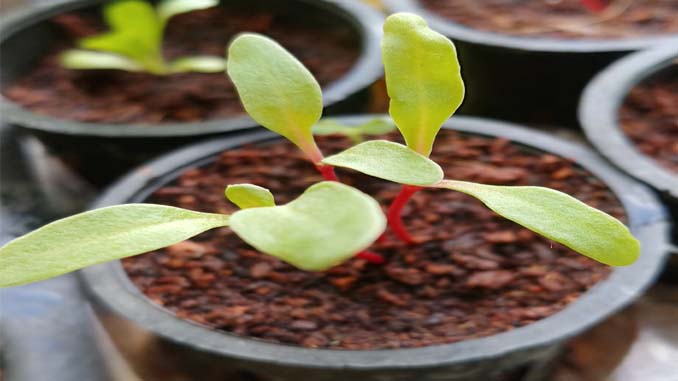
Soil-based farming, a traditional and time-tested method of cultivation, has been the backbone of agriculture for millennia. It involves the growth of crops and raising livestock directly in natural soil, offering a plethora of advantages and sustaining human food production for generations. In this article, we will delve into the world of soil-based farming, examining its significance, benefits, and its enduring role in modern agriculture.
The Essence Of Soil-Based Farming
Soil-based farming is the conventional practice of growing crops and raising animals directly in the natural ground, without the use of hydroponics, aquaponics, or other soilless methods. It relies on the fertility and nutrient content of the soil to support plant growth, and it has been the cornerstone of human agriculture since the dawn of civilization.
The Natural Nutrient Cycle
Soil-based farming taps into the natural nutrient cycle of the Earth. Organic matter, decaying plants, and animal waste enrich the soil with essential nutrients such as nitrogen, phosphorus, and potassium. These nutrients are absorbed by plants, providing the foundation for growth. Soil acts as a reservoir, storing water and nutrients, which are gradually released to plants as they need them. This natural cycle fosters a self-sustaining and ecologically friendly agricultural system.
Advantages Of Soil-Based Farming
Nutrient-Rich Soil: Over time, well-managed soil-based systems accumulate organic matter and nutrients, enhancing soil fertility.
Crop Diversity: Soil-based farming supports a wide range of crop varieties, catering to diverse dietary needs and regional preferences.
Sustainability: It promotes ecological balance by maintaining soil health and supporting diverse microbial life in the soil.
Cost-Efficiency: Soil-based farming often requires less initial investment compared to high-tech alternatives like hydroponics.
Resilience: Soil-based systems are more resistant to power outages or equipment failures, ensuring consistent food production.
Challenges And Adaptations
While soil-based farming has been a cornerstone of agriculture, it’s not without its challenges. Soil erosion, nutrient depletion, and water pollution are concerns that require attention. In response, sustainable farming practices like crop rotation, cover cropping, and reduced tillage have been adopted to mitigate these issues. Modern soil testing and precision agriculture technologies also help optimize nutrient application.
The Future Of Soil-Based Farming
Soil-based farming continues to evolve to meet the demands of a changing world. Emerging agricultural technologies and practices are being integrated with traditional soil-based systems. For example, farmers are using GPS-guided tractors and drones to optimize planting and harvesting. Sustainable practices like organic farming and no-till agriculture aim to protect and enhance soil quality.
Soil-based farming remains a fundamental and enduring practice in agriculture. It embodies the harmonious relationship between humans and the land. As we strive to feed a growing global population while preserving the environment, soil-based farming remains at the core of sustainable agriculture, adapting to new challenges and technologies while preserving the rich tradition of nurturing the Earth to produce food.