The Pursuit Of Water Efficiency
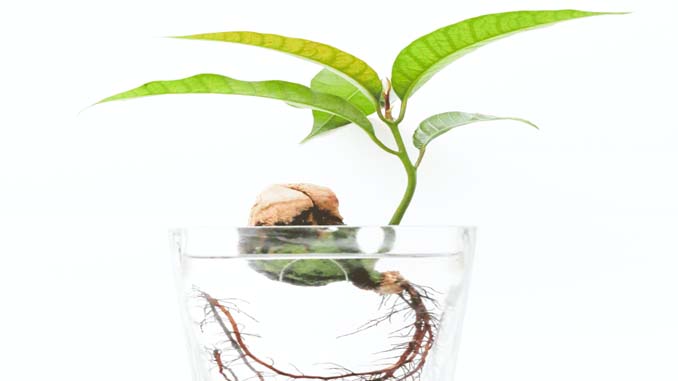
Water, the source of life, is a finite and precious resource. As the global population burgeons, the importance of water efficiency becomes paramount. Efficient water use is not only essential for safeguarding the environment but also for ensuring a sustainable future. In this article, we will explore the significance of water efficiency, the strategies employed to achieve it, and the positive impacts it can have on our world.
The Significance Of Water Efficiency
Water efficiency, often referred to as water conservation, involves using water in a way that minimizes waste while maximizing benefits. It is vital for several reasons:
Sustainability: As populations grow and climate change exacerbates water scarcity, efficient water use is necessary to meet the needs of current and future generations.
Environmental Preservation: Efficient water use helps protect aquatic ecosystems, conserves habitats, and reduces the negative impacts of water extraction on nature.
Economic Benefits: By reducing water waste, businesses and industries can cut costs, enhance their resilience to water scarcity, and maintain profitability.
Strategies For Achieving Water Efficiency
Numerous strategies and technologies promote water efficiency:
Water-Saving Appliances: Low-flow toilets, high-efficiency washing machines, and water-efficient faucets help reduce domestic water use.
Smart Irrigation: Advanced irrigation systems equipped with sensors and weather data can optimize watering schedules, reducing water waste in agriculture and landscaping.
Leak Detection: Identifying and repairing leaks in water supply systems is a crucial step in preventing water loss.
Wastewater Treatment And Reuse: Treating and reusing wastewater for non-potable purposes like irrigation or industrial processes conserves freshwater resources.
Public Awareness: Educational campaigns and policies can encourage responsible water use among individuals and communities.
Positive Impacts Of Water Efficiency
Efficient water use offers a range of positive impacts:
Conserving Water Resources: By minimizing water waste, we ensure that enough freshwater is available for essential needs, even during periods of scarcity.
Reducing Energy Consumption: Water and energy are intrinsically linked. Water efficiency helps reduce the energy required for water treatment and transportation.
Protecting Ecosystems: Efficient water use reduces the diversion of water from natural habitats, preserving aquatic ecosystems and their biodiversity.
Financial Savings: Both households and industries can enjoy cost savings through reduced water bills and improved resource management.
Mitigating Water Scarcity: In regions with water scarcity issues, water efficiency can help alleviate pressure on available water sources.
Challenges And Future Goals
Water efficiency is not without challenges. Resistance to change, inadequate infrastructure, and the need for widespread adoption of water-saving technologies can pose hurdles. Climate change and unpredictable weather patterns may also complicate water resource management.
Looking to the future, the goal is to make water efficiency a fundamental part of our daily lives. Policies and regulations can encourage efficient water use, and technological advancements will continue to drive progress in this area. By embracing water efficiency as a collective responsibility, we can ensure that the elixir of life remains available for all and safeguard the future of our planet.