Compact Living With A Sustainable Touch
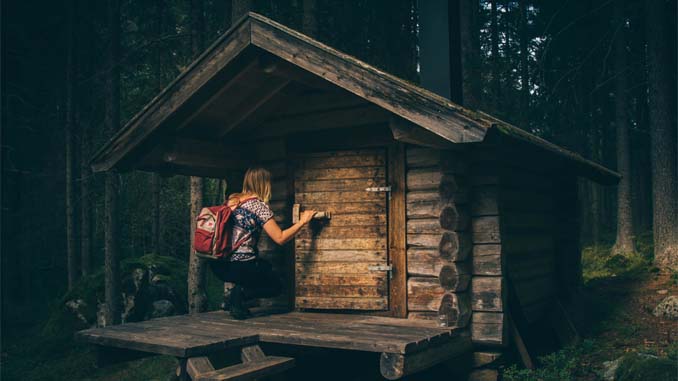
Small footprint homes, also known as tiny homes or micro-homes, are a response to the growing need for sustainable and efficient housing solutions in our ever-expanding urban environments. These homes are designed to maximize space utilization, minimize resource consumption, and reduce environmental impact. They represent a shift towards simpler, more mindful living that has gained popularity worldwide.
One of the defining features of small footprint homes is their size. These homes are typically much smaller than traditional houses, often ranging from just a few hundred to a few thousand square feet. The emphasis is on efficient design to make the most of every inch, both in terms of functionality and aesthetics.
Key aspects of small footprint homes include:
Sustainability: Small footprint homes are known for their sustainability. The reduced size and efficient design mean fewer materials are needed for construction, resulting in a smaller environmental footprint. Many small footprint homes also incorporate eco-friendly materials and energy-efficient systems.
Cost-Effective: Smaller homes are generally more affordable, making homeownership accessible to a broader range of people. Reduced utility costs and maintenance expenses contribute to long-term savings.
Minimalism: Small footprint living encourages minimalism, a lifestyle that prioritizes quality over quantity and focuses on reducing clutter and material possessions. This approach often leads to a simpler, less stressful way of life.
Mobility: Some small footprint homes are built on wheels or designed for easy relocation. This provides homeowners with the freedom to move or travel as they wish, leading to a more mobile and adventurous lifestyle.
Energy Efficiency: Smaller spaces are easier to heat and cool, resulting in lower energy consumption. Many small footprint homes incorporate energy-efficient appliances, solar panels, and other sustainable technologies to further reduce their carbon footprint.
Community Living: Some small footprint housing developments encourage community living. Shared spaces and communal facilities foster social interaction and a sense of belonging among residents.
Innovation: The small footprint housing movement has spurred innovation in design and construction. Architects and builders are coming up with creative solutions to maximize space utilization, often incorporating modular and multi-functional furniture.
While small footprint homes offer numerous advantages, they also come with unique challenges. The compact size requires careful organization and decluttering, and it may not be suitable for individuals or families with significant storage needs. Moreover, zoning regulations and building codes in some areas may limit the construction of such homes.
Small footprint homes are a sustainable and innovative response to the housing challenges of our time. Their smaller size, focus on sustainability, and emphasis on minimalism make them an appealing option for those seeking to reduce their environmental impact and lead a more intentional, cost-effective, and community-oriented lifestyle. As urbanization continues and concerns about resource consumption and climate change grow, small footprint homes are poised to play an increasingly prominent role in shaping the future of housing design. Whether you’re drawn to the idea of downsizing, seeking a more eco-friendly living arrangement, or looking for an affordable housing solution, small footprint homes provide a unique and promising alternative.