Ensuring Safe And Sustainable Water Supply
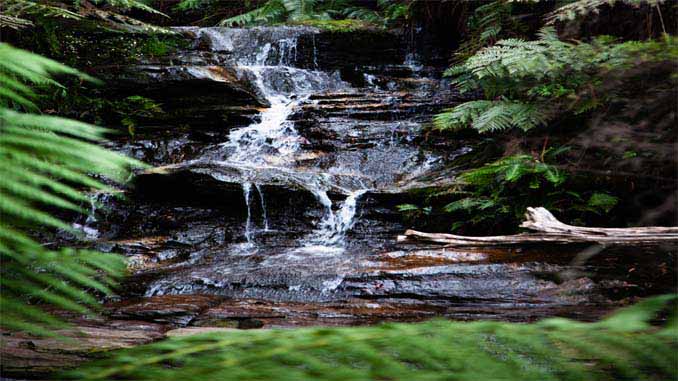
Rainwater, often considered pure and free from pollutants, can be an excellent source of water for various non-potable applications. However, to make it suitable for consumption and other essential uses, effective rainwater treatment is crucial. This process involves a series of steps to remove impurities, pathogens, and contaminants, ensuring that rainwater is safe and sustainable for various applications.
The Importance Of Rainwater Treatment
Rainwater is naturally soft and low in mineral content, making it an appealing alternative water source. In areas where access to clean, safe drinking water is limited, treating rainwater can provide a reliable supply. Additionally, rainwater treatment supports sustainable water management practices by reducing the burden on traditional water sources.
The Rainwater Treatment Process
Filtration: The first step in rainwater treatment is filtration. This process involves the removal of physical impurities such as leaves, twigs, and debris. Mesh screens and sediment filters are commonly used for this purpose.
Storage: Rainwater is often collected in storage tanks or cisterns. Proper storage is essential to prevent the growth of algae and the contamination of the water by external factors.
Settling: Allowing the collected rainwater to settle can help separate fine particles and sediments that may have passed through the filtration process. This is especially important for improving water quality.
Chemical Treatment: To disinfect rainwater and eliminate pathogens, chemical treatments are employed. Chlorine or ultraviolet (UV) light can effectively kill bacteria and viruses, ensuring safe water for drinking and household use.
Carbon Filtration: Activated carbon filters can be used to remove organic compounds, odors, and residual chemicals from rainwater, enhancing its taste and quality.
Reverse Osmosis: For potable water, reverse osmosis systems can be used to further purify rainwater by removing dissolved minerals, heavy metals, and other contaminants.
Applications Of Treated Rainwater
Drinking Water: When appropriately treated, rainwater can be a safe and reliable source of drinking water in areas with limited access to clean water.
Irrigation: Treated rainwater is ideal for garden and landscape irrigation, reducing the demand on potable water sources.
Toilet Flushing: Rainwater can be used for flushing toilets, reducing water consumption in residential and commercial buildings.
Laundry And Cleaning: Treated rainwater is suitable for laundry, cleaning, and other non-potable household uses.
Challenges And Considerations
Rainwater treatment requires careful planning and maintenance to ensure its effectiveness. Factors such as the quality of the catchment surface, the frequency of rainwater treatment, and the design of the treatment system can impact the quality of the water produced. In addition, regular monitoring and testing are necessary to ensure that the treated rainwater meets safety standards.
Rainwater treatment is a critical step in harnessing the benefits of this valuable resource. By properly treating rainwater, we can ensure its safety and suitability for various applications, including drinking water. As water scarcity becomes a more pressing concern, embracing rainwater treatment is not only environmentally responsible but also a step toward securing a sustainable and reliable water supply.