Opportunities And Challenges
For A Changing World
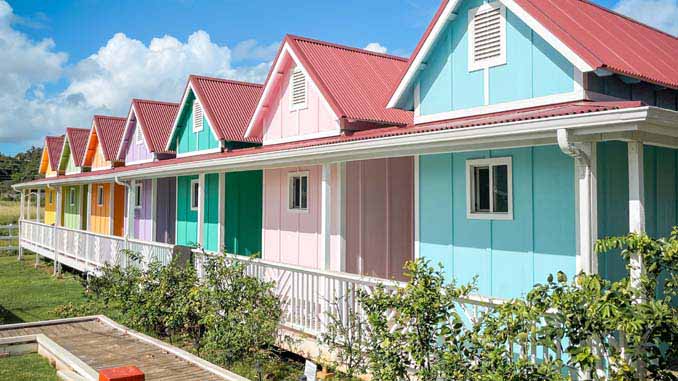
Population growth is a complex and pressing issue that has profound implications for the planet, societies, and individuals. As of my last knowledge update in January 2022, the global population was over 7.7 billion, and it continues to increase. Understanding the dynamics of population growth is essential for addressing a wide range of social, economic, and environmental challenges.
The world’s population has been steadily increasing for centuries, driven by a combination of factors, including increased life expectancy, reduced mortality rates, and, in some regions, high fertility rates. While the global population growth rate has been slowing down, it remains a significant concern due to its implications on resources, infrastructure, and quality of life.
One of the challenges associated with rapid population growth is the strain it places on resources. As the number of people on the planet increases, so does the demand for essentials like food, water, energy, and housing. This growing demand can lead to resource scarcity, environmental degradation, and increased competition for limited resources.
Moreover, population growth often has economic implications. While a growing population can contribute to a larger labor force, which can be a source of economic growth, it can also lead to unemployment and underemployment if job opportunities do not keep pace with the increase in the labor force. Balancing economic growth with the needs of a growing population is a delicate challenge for governments and policymakers.
Urbanization is closely linked to population growth. As more people move to cities in search of better opportunities, urban areas experience increased pressure on housing, transportation, and social services. Rapid and unplanned urbanization can lead to inadequate infrastructure, housing shortages, and increased pollution, posing health and environmental risks.
Another crucial aspect of population growth is its impact on the environment. As the global population expands, so does the consumption of natural resources, leading to deforestation, pollution, and the overexploitation of ecosystems. Addressing issues like climate change and biodiversity loss is closely tied to managing and mitigating the environmental consequences of population growth.
While the challenges of population growth are evident, there are also opportunities that come with a larger, more diverse population. A growing population can fuel economic growth, innovation, and cultural exchange. It can provide the labor force needed for development and contribute to a more vibrant and dynamic society.
Managing population growth in a sustainable manner involves addressing its various dimensions. Education and access to family planning are essential to empowering individuals and communities to make informed decisions about family size. Encouraging responsible consumption and sustainable living can help alleviate the environmental impact of a larger population.
Population growth is a multifaceted issue with far-reaching consequences. While it presents challenges related to resource scarcity, economic pressures, and environmental degradation, it also offers opportunities for growth, development, and cultural exchange. To address the challenges posed by population growth, societies and governments must adopt policies that promote sustainability, equality, and responsible resource management. Only through collective effort can we find a balance between population growth and the well-being of our planet and its inhabitants.