Maximizing Space, Minimizing Footprint
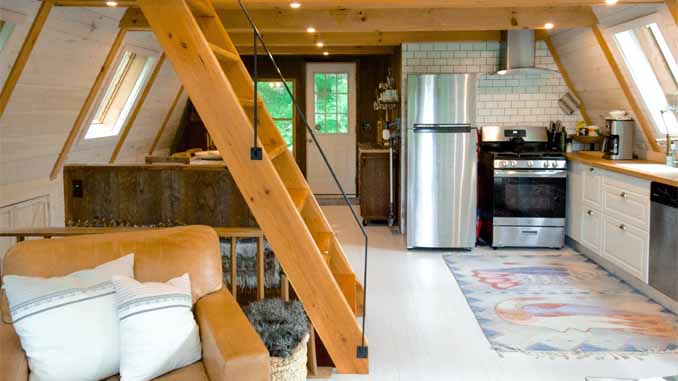
Compact living, also known as small-space living, micro-living, or minimalist living, is a contemporary housing trend that emphasizes efficient use of space. It is a response to urbanization, population growth, and the desire for a simpler, more sustainable lifestyle. In compact living, the focus is not on the size of the space but on how it’s utilized, making it an innovative solution to the challenges of modern living.
One of the primary motivations for compact living is the ever-increasing urbanization and the limited availability of space in urban areas. As more people gravitate toward cities in search of better opportunities, living spaces become smaller and more expensive. Compact living offers a way to adapt to this changing landscape, allowing people to live comfortably in smaller square footage.
Key features of compact living include:
Efficient Design: Compact living requires meticulous planning and design to make the most of every square inch. Multi-functional furniture, space-saving storage solutions, and flexible layouts are essential elements. This approach maximizes the utility of a space and reduces waste.
Sustainability: Compact living often goes hand-in-hand with sustainability. Smaller living spaces consume fewer resources in construction and maintenance. Reduced energy consumption and water use contribute to a smaller environmental footprint. Many compact homes incorporate eco-friendly materials and energy-efficient systems.
Minimalism: Compact living encourages minimalism, which involves owning fewer possessions and simplifying one’s life. The focus is on quality over quantity, with an emphasis on what truly adds value to one’s life. This approach can lead to reduced stress, lower costs, and more freedom.
Affordability: Smaller living spaces tend to be more affordable, making homeownership more accessible to a broader range of people. Compact living allows individuals to save money and allocate their resources to other priorities, such as travel, education, or experiences.
Urban Living: Compact living is particularly suited for urban environments, where space is at a premium. It allows people to live close to work, amenities, and cultural attractions. The reduced need for long commutes also contributes to sustainability.
Community Focus: Many compact living developments incorporate shared spaces and communal areas, fostering a sense of community among residents. This promotes social interaction and a sense of belonging.
Freedom Of Mobility: Compact living often goes hand in hand with the ability to downsize and live more mobile lifestyles. Some people choose to live in tiny houses on wheels or in other portable structures, providing them with the freedom to travel or relocate as they desire.
Compact living is not without its challenges. Designing and living in a small space can require significant adjustments, both mentally and physically. Storage and organization can be more demanding, and the need for decluttering becomes essential. However, for those who embrace this lifestyle, the benefits can be substantial.
Compact living is a housing trend that offers an innovative approach to the challenges of urbanization and the desire for a more sustainable, affordable, and minimalist lifestyle. By optimizing the use of limited space, embracing minimalism, and prioritizing sustainability, compact living provides a solution that is well-suited to the evolving needs and desires of our modern world. Whether it’s in the form of tiny houses, micro-apartments, or other compact living spaces, this trend is changing the way we think about our homes and the spaces we inhabit.