A Time-Honored Craft That Endures
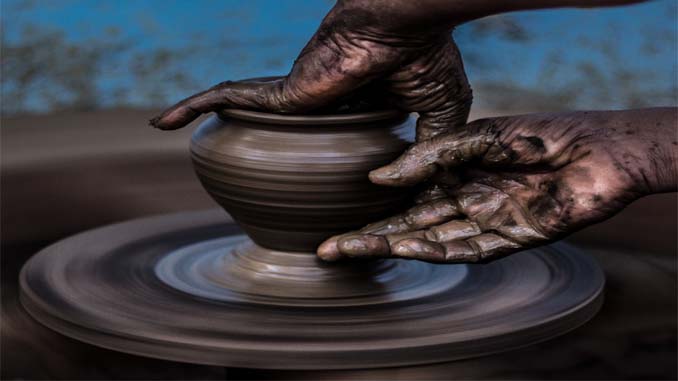
Traditional pottery, a craft rooted in centuries of human history, has a rich and enduring legacy that continues to captivate people with its authenticity and cultural significance. This art form, which varies from region to region, embodies the spirit of heritage, craftsmanship, and artistic expression. In this article, we will explore the world of traditional pottery, its history, techniques, and its enduring place in contemporary society.
A Journey Through History: The history of traditional pottery stretches back to the dawn of civilization. Archaeological findings reveal that pottery was an integral part of early human societies for practical purposes like cooking, storing food, and transporting water. It wasn’t long before pottery began to evolve into an art form, with intricate designs and decorations that reflected the cultural identity of each community.
Techniques And Materials: Traditional pottery is characterized by a profound connection between the potter and the materials. Typically, it involves handbuilding techniques such as coiling, pinching, and slab-building, as well as the use of locally sourced clay and other natural materials. The techniques and materials used are often passed down through generations, preserving the authenticity and heritage of each style.
Regional Variations: One of the most compelling aspects of traditional pottery is its regional diversity. Different cultures have developed their own unique styles, forms, and designs. For example, the delicate blue and white porcelain of China is world-famous, while the intricately painted talavera ceramics of Mexico are celebrated for their vibrant patterns. Native American tribes have their distinctive pottery traditions, often incorporating symbolism and motifs reflecting their cultural heritage.
Cultural Significance: Traditional pottery is not just a craft; it is a reflection of cultural identity and history. Many traditional pottery forms have spiritual, ceremonial, or ritualistic importance within their respective cultures. In Native American Pueblo communities, for instance, pottery is often used in religious ceremonies, and the designs have deep cultural significance. In Japan, the tea ceremony is closely tied to the creation and appreciation of traditional pottery, such as the iconic Raku ware.
Preservation Of Craftsmanship: One of the most significant contributions of traditional pottery is its role in preserving craftsmanship. Potters who create traditional pottery often use age-old techniques that are passed down from master to apprentice. The continuation of these traditions ensures the perpetuation of valuable skills and techniques, safeguarding the art for future generations.
Contemporary Relevance: Traditional pottery remains highly relevant in today’s world. While many traditional pottery pieces are still created for utilitarian purposes, such as cooking and storage, they also find their way into art galleries and collectors’ homes. Traditional pottery artists often blend their inherited techniques with contemporary innovations, creating unique pieces that honor their heritage while appealing to modern sensibilities.
Traditional pottery is a testament to the enduring appeal of working with clay to create objects that are both functional and artistic. These age-old traditions connect us to our roots, telling the story of different cultures and their unique expressions of creativity. As we continue to appreciate and celebrate traditional pottery, we ensure that the spirit of this time-honored craft remains a vibrant part of our cultural heritage.