An Artistic Masterpiece In Thread
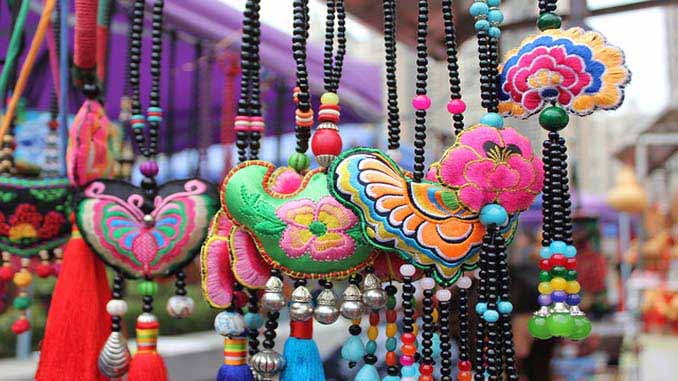
The satin stitch is one of the most versatile and elegant techniques in the world of embroidery. This classic embroidery stitch has been used for centuries to add smooth, shiny, and exquisite surfaces to fabric. The satin stitch is not just a simple act of sewing; it’s an art form that requires precision, creativity, and patience.
Understanding The Satin Stitch: The satin stitch is characterized by its smooth, closely packed stitches that create a polished, satin-like surface on the fabric. It is often used for filling in designs, creating bold outlines, or adding fine details. To achieve a perfect satin stitch, embroiderers need to make sure the stitches are uniform in length and direction, creating a seamless, glossy appearance.
Versatility In Design: One of the satin stitch’s most appealing features is its versatility. It can be used to create a wide range of designs, from simple geometric shapes to intricate, lifelike images. Whether you are working on floral motifs, animal figures, or abstract patterns, the satin stitch allows for artistic expression in various forms.
Achieving Dimension And Texture: While the satin stitch is celebrated for its smoothness, it also has the potential to add dimension and texture to embroidery projects. By altering the stitch length or layering stitches in different directions, artists can create the illusion of depth and detail, bringing designs to life.
The Importance Of Thread Selection: Thread selection is crucial when using the satin stitch. Traditional satin stitch threads include silk and rayon due to their sheen and luster. Modern options also include polyester threads that are known for their durability and colorfastness. Thread color choice plays a significant role in the overall impact of the satin stitch, enabling the creation of realistic gradients or bold, contrasting patterns.
Challenges And Techniques: While the satin stitch is beautiful, it’s not without its challenges. Ensuring consistent stitch length and alignment requires practice and attention to detail. Embroiderers often use a laying tool or a frame to keep the threads smooth and untangled while stitching.
Applications In Embroidery:
The satin stitch is an integral part of embroidery, commonly used for various applications, including:
Monogramming: The satin stitch is perfect for creating elegant monograms on linens, clothing, and accessories.
Logo Embroidery: Many companies use the satin stitch to embroider logos on uniforms and promotional materials for a professional and polished appearance.
Couture Fashion: High-end fashion designers often employ the satin stitch to add intricate details, logos, or embellishments to their garments.
Decorative Embroidery: Home decor items such as throw pillows, curtains, and tablecloths often feature the satin stitch for its ability to create luxurious, eye-catching designs.
The satin stitch is a testament to the artistry that can be achieved with a needle and thread. It combines precision, creativity, and an eye for detail to transform simple fabric into exquisite works of art. Whether you’re a seasoned embroiderer or a novice, the satin stitch offers endless possibilities for expression, making it a fundamental and captivating technique in the world of embroidery. It showcases the beauty that can be created by the simple act of stitching, one silky strand at a time.