Techniques For Discerning Palates
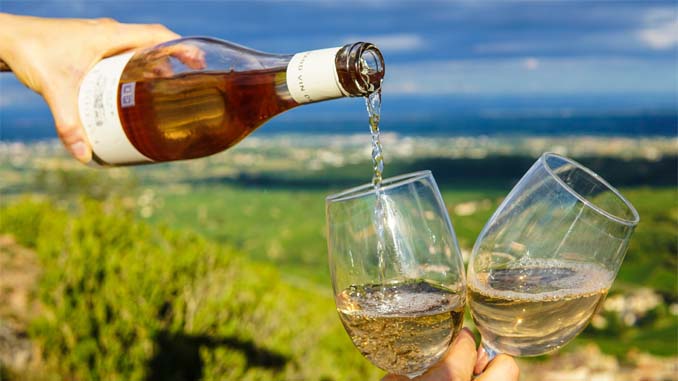
Wine tasting is more than just sipping a delightful beverage; it’s a complex art that involves engaging all your senses to fully appreciate the nuances and complexities of wine. Whether you’re a novice wine enthusiast or an experienced sommelier, honing your wine tasting techniques can significantly enhance your enjoyment and understanding of this timeless elixir. In this article, we’ll explore some essential techniques for discerning palates.
1. Appearance Assessment: Start your wine tasting journey by carefully examining the wine’s appearance. Pour the wine into a clean, clear glass and hold it up to the light. Observe its color, clarity, and viscosity. These visual cues can provide valuable insights into the wine’s age, grape variety, and potential characteristics.
Color: Note the wine’s color, from pale straw for whites to deep ruby for reds. It’s a vital indicator of a wine’s age and variety. Red wines tend to lighten with age, while white wines darken.
Clarity: Assess the clarity of the wine. A hazy appearance might indicate issues with the wine’s production, while crystal clarity suggests quality and careful handling.
Viscosity: Swirl the wine gently in the glass and observe the “legs” or “tears” that form on the side of the glass. Thicker legs indicate a higher alcohol content or residual sugar, which can provide clues about the wine’s body.
2. Aroma Exploration: The aroma, or bouquet, of a wine is a critical aspect of the tasting experience. Swirl the wine in your glass to release its aromas, then take a moment to inhale. Wine’s bouquet can be quite complex, and it’s where the magic begins.
Primary Aromas: Primary aromas are derived from the grape variety itself. For instance, Chardonnay often exhibits scents of green apple or citrus, while Cabernet Sauvignon might have blackberry or black currant notes.
Secondary Aromas: These come from the fermentation process and often include scents like bread, yeast, or vanilla, particularly in the case of oak-aged wines.
Tertiary Aromas: Tertiary aromas develop during aging and might include earthy, spicy, or nutty notes.
3. Sip And Savor: Take a small sip of the wine and let it coat your palate. Assess the wine’s taste, noting its flavors, acidity, sweetness, and tannins. Consider the balance and harmony of these elements.
Flavors: Describe the flavors you perceive, which can range from fruity and floral to earthy and spicy.
Acidity: Assess the wine’s acidity, which can make it feel crisp and lively on your palate.
Sweetness: Determine the wine’s level of sweetness, which can range from bone-dry to dessert-sweet.
Tannins: Note the level of astringency in the wine. Tannins come from grape skins, seeds, and oak aging and can give the wine structure and grip.
4. The Finish: The finish, or aftertaste, is the lingering impression the wine leaves on your palate. A long and pleasant finish is often a sign of a well-structured and balanced wine.
5. Systematic Tasting Notes: Consider keeping a wine journal to record your tasting experiences. Document the wine’s details, including its name, producer, vintage, and your observations of appearance, aroma, taste, and finish. Over time, this can help you develop your palate and remember your favorite wines.
6. Wine And Food Pairing: Learning about wine and food pairings can further enhance your wine tasting experience. Certain dishes can complement and enhance the wine’s flavors, creating a harmonious dining experience.
7. Practice And Patience: Finally, practice and patience are key. The more you taste and explore different wines, the more refined your palate will become. It’s a lifelong journey of discovery and enjoyment.
Wine tasting is an art that involves engaging all your senses to unlock the secrets of this complex and diverse beverage. These techniques can help you develop a discerning palate and a deeper appreciation of the world of wine. Whether you’re enjoying a glass with friends or exploring a new varietal, these techniques can enhance your wine tasting journey and make each sip a memorable and enriching experience.