Cultivating Wine’s Essence
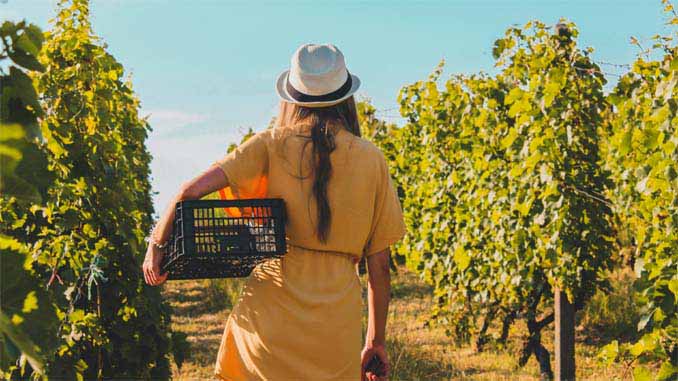
Viticulture, the meticulous and age-old practice of grape cultivation, lies at the heart of winemaking. It is a blend of art and science, encompassing everything from selecting the right grape varieties to nurturing the vines through changing seasons. Viticulture is not only essential to the wine industry, but it also plays a pivotal role in defining the character and quality of the final product.
Grape Varieties: The first step in viticulture is the selection of grape varieties. These selections are based on the region’s climate, soil, and traditions. Some grapes thrive in warm, dry climates, while others require cooler conditions. The choice of grape variety is one of the most crucial decisions a viticulturist makes, as it determines the potential of the vineyard.
Terroir: Terroir is a fundamental concept in viticulture. It refers to the unique combination of soil, climate, and geography in a particular region, and it significantly influences the grapes’ characteristics. Each region has its terroir, which imparts specific flavors, aromas, and qualities to the grapes. Understanding and harnessing the power of terroir is an essential skill in viticulture.
Vineyard Management: Once the grape varieties are chosen and planted, the next phase involves the management of the vineyard. This includes pruning, training the vines, pest control, and ensuring proper irrigation. Viticulturists must monitor the vines closely to ensure they receive the ideal conditions for growth.
Pruning: Pruning is a critical aspect of vineyard management, as it shapes the vines and influences the quality of the fruit. Pruning helps control the yield of the vine, ensuring that it produces a balanced crop with optimal grape ripeness. The timing and precision of pruning are essential to the health of the vines and the quality of the grapes.
Pest And Disease Control: Protecting the vineyard from pests and diseases is essential for a successful harvest. Integrated pest management techniques are often employed, which may include the use of natural predators, organic pesticides, or careful monitoring of vine health.
Harvesting: The timing of the grape harvest is critical, and it varies depending on the type of wine being produced. For sparkling wines or crisp white wines, grapes may be picked early for high acidity. In contrast, red wines may require longer hang times on the vine for optimal ripeness. Handpicking is still the choice in many vineyards, as it allows for the selective harvesting of the best fruit.
Sustainable Viticulture: In recent years, the wine industry has witnessed a shift towards sustainable viticulture practices. Many vineyards are adopting eco-friendly methods to preserve the natural balance of the environment. This includes organic and biodynamic practices that promote biodiversity, soil health, and minimal chemical intervention.
Challenges Of Viticulture: Viticulture presents its own set of challenges. Factors such as climate change, extreme weather events, and new pest threats can pose risks to vineyard health. Viticulturists must adapt and innovate to mitigate these challenges while maintaining the quality of the grapes.
Viticulture is the foundation of the wine industry, where the journey of winemaking truly begins. It is a harmonious blend of tradition and science, where careful stewardship of the land and vines results in the production of high-quality grapes. The art of viticulture is a testament to human ingenuity, as it weaves together nature’s gifts and human expertise, allowing wine enthusiasts to savor the essence of the vineyard in every glass.