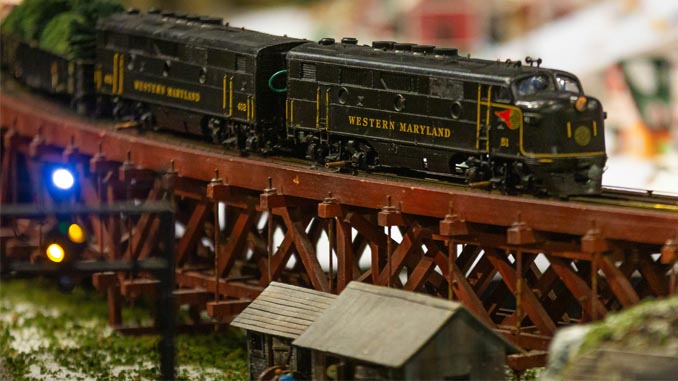
Few toys have captured the imagination across generations like the classic toy train. For many, memories of miniature locomotives chugging along tracks, winding through tiny towns and tunnels, are among the most cherished moments of childhood. The golden age of toy trains—roughly spanning from the 1920s to the 1960s—represents a period of innovation, craftsmanship, and cultural importance that still resonates today.
This era was defined by legendary brands such as Lionel, American Flyer, and Marx, whose products were more than just playthings—they were works of art and mechanical ingenuity. Lionel, in particular, became a household name, known for its sturdy construction, realistic designs, and electric-powered engines. These trains often took center stage under Christmas trees, becoming an essential part of holiday tradition in American homes.
The post-WWII economic boom played a major role in the toy train’s popularity. As families moved into suburban homes and children had more leisure time, train sets became a symbol of prosperity and joy. Advertisements and department store displays turned model railroading into a cultural phenomenon. For boys especially, owning a train set was often considered a rite of passage.
Beyond entertainment, these trains also introduced children to basic mechanical principles, sparking lifelong interests in engineering, design, and transportation. Parents appreciated that they were quiet, safe, and capable of endless configuration—fostering creativity and patience in young hobbyists.
While the arrival of video games and changing toy trends in the 1980s shifted attention away from toy trains, their nostalgic value has only increased. Today, vintage models from the golden age are highly sought after by collectors. Toy train clubs and conventions still thrive, and modern manufacturers continue to honor the past with detailed replicas and digital innovations.
In a world of instant gratification, toy trains remind us of a slower, more imaginative time. They represent craftsmanship, family bonding, and the simple joy of watching a tiny world come to life on a tabletop. The golden age of toy trains may have passed, but its spirit continues to run on time.