Tips For Small And Large Gardens
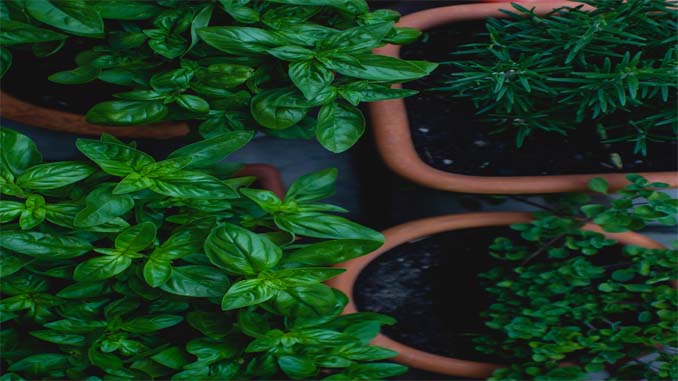
The space you allocate to your herb garden is an essential factor in determining its success. Whether you have a small balcony or a sprawling backyard, making the most of your herb garden space is crucial. In this article, we’ll explore how to maximize your herb garden space, regardless of its size, to create a thriving green oasis right at home.
Small Herb Gardens
Container Gardening
Small spaces call for creative solutions, and container gardening is an excellent option. Here’s how to make the most of limited space:
Choose compact herb varieties suitable for containers, like bushy basil, compact thyme, and dwarf rosemary.
Select containers with proper drainage and consider hanging pots, window boxes, or vertical herb gardens.
Group compatible herbs in a single pot or use tiered plant stands to stack multiple containers vertically.
Regularly prune and harvest your herbs to maintain their size and prevent overcrowding.
Indoor Herb Gardens
If you have limited outdoor space, an indoor herb garden can provide fresh herbs year-round. Some tips for indoor gardening include:
Place pots on windowsills or under artificial grow lights to ensure they receive adequate sunlight.
Consider using self-watering pots or hydroponic systems to make indoor herb gardening more convenient.
Be attentive to indoor humidity and ventilation to prevent issues like mildew or pests.
Keep pots near the kitchen for easy access to fresh herbs while cooking.
Large Herb Gardens
Garden Layout
Larger garden spaces offer more opportunities for creativity and plant diversity. Consider these strategies for maximizing your herb garden space:
Design your garden with clearly defined paths and designated planting areas to optimize organization and accessibility.
Plan for perennial herbs, like rosemary and thyme, to be situated in long-lasting positions, while annuals can be rotated or planted in different spots each season.
Create garden beds with raised borders, allowing for optimal drainage and soil quality control.
Mix herbs with complementary colors and growth habits to create a visually appealing garden landscape.
Companion Planting
In large herb gardens, companion planting can help maximize space and improve plant health. Some beneficial companion planting ideas include:
Planting basil alongside tomatoes to enhance tomato flavor and deter pests.
Interplanting aromatic herbs like rosemary and sage among vegetables to discourage insects.
Pairing herbs with flowering plants to attract pollinators and beneficial insects to your garden.
Vertical Gardening
Large garden spaces can also benefit from vertical gardening techniques:
Install trellises or garden walls for climbing herbs like cucumbers and vining plants to optimize vertical space.
Train herbs like mint and oregano to grow vertically in containers to prevent them from spreading too aggressively.
Create vertical herb planters with multiple shelves to maximize your planting area.
Regardless of the size of your herb garden space, there are strategies to make the most of it. Small herb gardens can thrive in containers and indoors, while larger spaces offer opportunities for garden layouts, companion planting, and vertical gardening. By implementing these techniques, you can transform your herb garden into a space that not only provides fresh and flavorful herbs but also enhances your gardening experience and overall well-being. Whether you have a modest windowsill or acres of open land, maximizing your herb garden space can lead to a fulfilling and productive gardening journey.