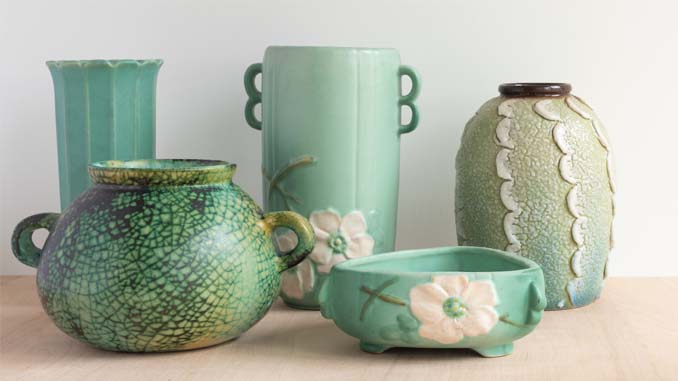
Pottery, with its ancient origins and enduring allure, is a craft that relies on a wide array of techniques to shape and transform clay into functional and artistic objects. From handbuilding to wheel-throwing, and from glazing to firing, pottery techniques are the heart and soul of this ancient art form. Let’s delve into the world of pottery techniques, where creativity and craftsmanship come together.
Handbuilding: Handbuilding is one of the most fundamental and versatile techniques in pottery. It involves using the hands to shape the clay. This can be done through techniques such as pinching, coiling, and slab-building. Pinching entails squeezing and forming the clay, coiling is the process of building up the form with clay ropes, and slab-building involves using flattened sheets of clay to construct objects. Handbuilding allows for a great deal of artistic expression and often results in unique, irregular forms.
Wheel-Throwing: Wheel-throwing, or throwing, is a technique where the potter shapes clay on a rotating wheel. The wheel’s motion allows for even and symmetrical forms, making it ideal for creating functional items like bowls, cups, and vases. Potters use their hands and various tools to manipulate the clay as it spins, drawing upon their skill and precision to achieve the desired shape and texture.
Coiling: Coiling is a method where clay ropes or coils are stacked and joined together to create a three-dimensional form. It is one of the oldest pottery techniques, with historical examples dating back thousands of years. Coiling provides both strength and flexibility, making it suitable for constructing larger vessels and sculptural pieces.
Slab-Building: Slab-building entails rolling out flat sheets of clay and cutting them into shapes that are assembled to create an object. It allows for the creation of more geometric and angular forms. Artists can also add texture and design elements to the slabs before assembly, resulting in visually striking pottery.
Glazing: Glazing is a technique that adds color, texture, and protection to pottery. Glazes are made from various materials, including minerals and chemicals, and are applied to the pottery before firing. The firing process transforms the glaze into a glassy surface, which can range from glossy to matte and from translucent to opaque. Glazing enhances the aesthetic appeal of pottery while also making it more durable and functional.
Firing: Firing is the final step in the pottery process, and it involves heating the clay to high temperatures in a kiln. The two main types of firing are bisque firing and glaze firing. Bisque firing hardens the clay and prepares it for glazing, while glaze firing melts and fuses the glaze to the pottery. The firing process can vary in temperature, duration, and atmosphere, allowing for a wide range of results, including stoneware, porcelain, and earthenware.
Raku And Pit Firing: In addition to traditional firing techniques, some potters explore alternative methods like raku and pit firing. Raku firing is known for its unpredictability and often results in striking, one-of-a-kind pieces with crackled glazes and smoky, darkened surfaces. Pit firing involves burying pottery in a pit with combustible materials and firing it in an open flame. This ancient technique yields unique and earthy finishes on the clay.
Pottery techniques are a dynamic and evolving aspect of this timeless art form. They provide artists with the tools and methods to bring their creative visions to life. Whether preserving traditional methods or pioneering innovative approaches, pottery techniques continue to enrich the world of ceramics with a diverse array of beautiful and functional objects.