Exploring Herb Uses In Cooking
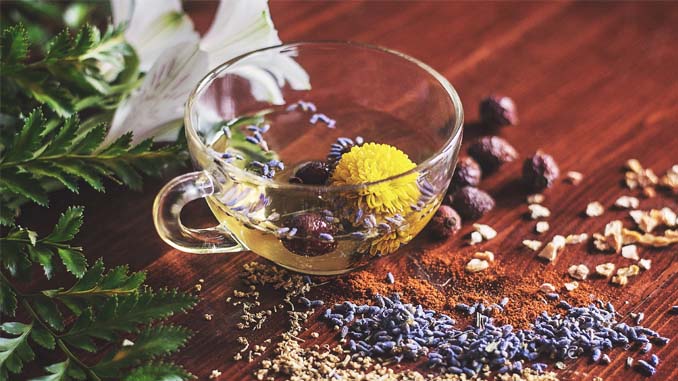
Herbs are the unsung heroes of the culinary world, capable of transforming ordinary dishes into extraordinary culinary experiences. From basil’s fresh, sweet notes to rosemary’s earthy aroma, herbs play a pivotal role in enhancing flavors, aromas, and visual appeal. In this article, we will delve into the delightful world of herb uses in cooking and how they can elevate your dishes to the next level.
Flavor Enhancement
Herbs are prized for their ability to impart complex and layered flavors to a wide range of dishes. They can be used in various forms:
Fresh Herbs: Fresh herbs like basil, cilantro, and parsley are added at the end of cooking or as a garnish to retain their vibrant flavors. They brighten up salads, pastas, and soups.
Dried Herbs: Dried herbs like thyme, rosemary, and oregano are more concentrated and suitable for dishes with longer cooking times, such as stews and roasts.
Herb Infused Oils And Vinegars: Herb-infused oils and vinegars, like basil oil or tarragon vinegar, are excellent for adding depth and nuance to dressings and marinades.
Pairing Herbs With Ingredients
The art of herb usage in cooking lies in pairing the right herbs with complementary ingredients. Some classic pairings include:
Basil And Tomato: The marriage of basil and tomato in dishes like Caprese salad or Margherita pizza is a match made in culinary heaven.
Rosemary And Lamb: Rosemary’s robust flavor pairs harmoniously with the rich and tender nature of lamb.
Mint And Desserts: Mint’s refreshing taste is perfect for desserts like chocolate mousse or fruit salads.
Parsley And Seafood: The bright, grassy flavor of parsley beautifully complements seafood dishes, such as shrimp scampi.
Versatile Uses
Herbs are incredibly versatile and can be used in various culinary applications:
Marinades: Herbs can be included in marinades to infuse meat, poultry, or vegetables with flavor. For example, a marinade of garlic, rosemary, and lemon juice can transform chicken into a delectable dish.
Sauces And Dressings: Herbs can be used to create vibrant sauces, such as pesto or chimichurri, or to elevate salad dressings, like a balsamic vinaigrette with fresh basil.
Flavoring Meats: Herbs can be used as a rub or stuffing for meats, adding depth and aroma. Sage and thyme with turkey, for instance, create a classic Thanksgiving flavor.
Infusions And Garnishes: Herbs can be used to infuse oils, butters, or even cocktails. A sprig of fresh mint in a mojito or a basil leaf in a gin and tonic can enhance the beverage’s flavor and aroma.
Health Benefits
In addition to their flavor-enhancing qualities, herbs often have health benefits. For example, ginger is known for its digestive properties, while turmeric has anti-inflammatory qualities. Incorporating these herbs into your cooking not only makes your dishes tastier but can also contribute to your well-being.
Herbs are like the artist’s palette in the kitchen, allowing you to create dishes that are not only delicious but also visually stunning. The art of herb usage in cooking opens up a world of culinary possibilities, where you can experiment, create, and savor the rich tapestry of flavors and aromas that herbs bring to your table. So, explore the herb garden, visit your local market, and experiment with the countless herb variations to take your culinary creations to the next level.