Busy schedules often leave little time for meal preparation, leading to unhealthy food choices and missed nutrition goals. Meal planning helps streamline the process, ensuring you have nutritious meals ready to go without the stress of last-minute cooking. Here are five simple meal planning strategies to help you stay organized and maintain a healthy diet, even with a packed schedule.
1. Plan Ahead And Stick To A Schedule
The key to successful meal planning is consistency. Set aside a specific day each week—such as Sunday—to plan your meals for the upcoming days. Create a detailed meal plan, including breakfast, lunch, dinner, and snacks. By planning ahead, you eliminate the need to decide what to eat daily, saving time and reducing decision fatigue.
2. Batch Cooking And Freezing
Batch cooking is a time-saving strategy that involves preparing large quantities of meals at once. Cook once, eat multiple times. Prepare meals like soups, stews, casseroles, or grain-based dishes that can be easily frozen and reheated. This ensures you have healthy options readily available, reducing the temptation to rely on fast food or processed meals.
3. Use A Rotating Meal Plan With Weekly Themes
Creating a rotating meal plan with themes helps add variety to your meals while simplifying the planning process. For example, dedicate certain nights to specific meal types—like Taco Tuesday, Meatless Monday, or Stir-Fry Saturday. This reduces the need to come up with new ideas each week while keeping meals interesting and balanced.
4. Simplify Ingredients And Focus On Staples
Stick to a core group of simple, budget-friendly ingredients that can be used across multiple meals. Foods like grains (rice, quinoa, pasta), proteins (chicken, tofu, eggs), and seasonal vegetables are versatile and easy to incorporate into different dishes. By focusing on staple ingredients, you reduce grocery costs and simplify your shopping list.
5. Prep Ingredients In Advance For Quick Meals
One of the biggest time-savers is prepping ingredients in advance. Chop vegetables, portion proteins, and cook grains in bulk. Store them in the fridge or freezer so they’re ready to be combined into quick meals throughout the week. For example, having pre-cooked rice, roasted veggies, and grilled chicken on hand can easily be transformed into salads, wraps, or stir-fries with minimal effort.
6. Embrace Leftovers For Future Meals
Leftovers are a convenient and cost-effective way to maintain healthy eating. Plan meals that make enough servings for leftovers, which can be repurposed into new dishes like salads, sandwiches, or grain bowls. This reduces food waste and makes busy days more manageable.
7. Keep A Well-Stocked Pantry
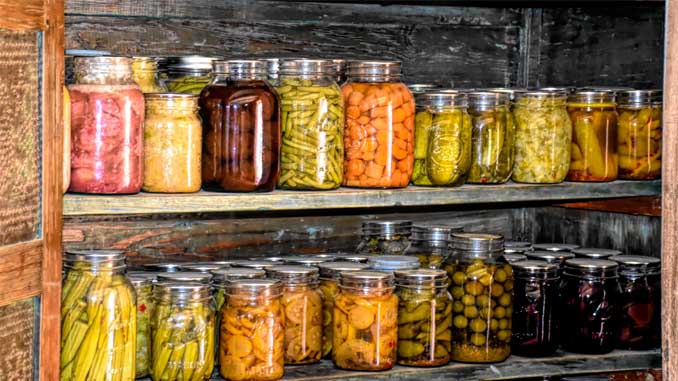
Having a well-stocked pantry with essential items like grains, canned beans, spices, and healthy fats ensures you always have the basics needed to throw together meals quickly. A well-organized pantry reduces the number of last-minute trips to the store.
By implementing these simple meal planning strategies, you can streamline your cooking routine and ensure healthier meals fit seamlessly into your busy lifestyle.