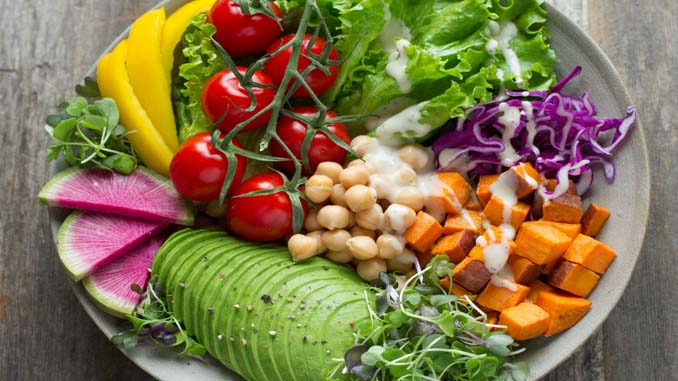
A gluten-free diet is often associated with medical necessity, catering to individuals with celiac disease or non-celiac gluten sensitivity. However, it’s essential to understand that a gluten-free diet can be more than a mere dietary restriction; it can be a journey towards better health and well-being. Nourishing your body with the right foods is a fundamental aspect of this lifestyle. In this article, we’ll explore how to achieve optimal body nourishment on a gluten-free diet.
1. Whole, Unprocessed Foods: The cornerstone of a healthy gluten-free diet is whole, unprocessed foods. These include fresh fruits and vegetables, lean proteins like chicken, fish, and tofu, and naturally gluten-free grains such as quinoa, rice, and oats (certified gluten-free). Focusing on these foods ensures your body receives essential nutrients and minimizes the need for processed products.
2. Gluten-Free Grains: Grains are a significant source of carbohydrates and dietary fiber. On a gluten-free diet, it’s important to incorporate gluten-free grains like brown rice, amaranth, and sorghum. These grains offer a range of nutrients and provide energy while avoiding the harmful effects of gluten.
3. Legumes And Pulses: Legumes, such as lentils, chickpeas, and beans, are excellent sources of plant-based protein, fiber, and essential vitamins. They make versatile and nutrient-rich additions to gluten-free meals, contributing to body nourishment.
4. Nutrient-Dense Snacks: Gluten-free snacking doesn’t have to mean indulging in processed chips and sugary treats. Opt for nutrient-dense snacks like nuts, seeds, Greek yogurt, or gluten-free granola to keep your energy levels steady and nourish your body between meals.
5. Gluten-Free Baking: Gluten-free flours, like almond flour, coconut flour, and tapioca flour, can be used to make delicious baked goods. You can still enjoy muffins, pancakes, and cookies while nourishing your body and avoiding gluten.
6. Lean Proteins: Protein is vital for muscle health and overall well-being. Incorporate lean proteins like poultry, fish, tofu, and legumes into your diet to ensure that your body receives the necessary amino acids.
7. Dairy Or Dairy Alternatives: Dairy products like milk, cheese, and yogurt (if tolerated) provide calcium and protein. If you’re lactose intolerant or choose to avoid dairy, there are various dairy alternatives available, such as almond milk or coconut yogurt.
8. Micronutrients: Pay attention to getting a variety of micronutrients in your gluten-free diet. Vitamins and minerals are crucial for overall health. Make sure your meals include a spectrum of colorful fruits and vegetables to maximize the diversity of nutrients your body receives.
9. Hydration: Proper body nourishment includes staying well-hydrated. Water is essential for digestion, circulation, and overall health. It’s gluten-free and a fundamental part of maintaining your well-being.
10. Mindful Eating Practices: Nourishing your body on a gluten-free diet also involves mindful eating practices. Pay attention to your body’s hunger and fullness cues. Eating mindfully allows you to enjoy your food and make healthier choices.
A gluten-free diet can be a path to wellness and optimal body nourishment when approached thoughtfully. It’s not just about eliminating gluten-containing foods but also about embracing a wide range of whole, unprocessed, and naturally gluten-free foods. By focusing on nutrient-dense options, gluten-free grains, lean proteins, and mindful eating practices, you can nourish your body while avoiding gluten, leading to better health and overall well-being. If you have specific dietary concerns or health conditions, it’s advisable to consult with a healthcare professional or registered dietitian to ensure that your gluten-free diet meets your nutritional needs.