Nature’s Healing Bounty
For thousands of years, humans have turned to nature for remedies to alleviate their ailments. Medicinal plants have been a cornerstone of traditional medicine in various cultures around the world, offering a rich tapestry of treatments for a wide range of health conditions. In this article, we’ll explore the fascinating world of medicinal plants and their diverse uses in promoting well-being and healing.
A Global Heritage Of Medicinal Plants
The use of medicinal plants is deeply ingrained in human history. Different cultures have harnessed the healing power of local flora, passing down knowledge from generation to generation. Indigenous peoples have traditionally relied on medicinal plants to address a wide spectrum of health issues, from digestive problems to wounds and infections. These traditions persist and continue to be valuable resources for herbal medicine.
Traditional Knowledge Meets Modern Science
The use of medicinal plants is not confined to historical practices; it’s a dynamic field that intersects with modern science. In recent decades, there has been a resurgence of interest in traditional herbal medicine, prompting extensive scientific research into the efficacy of medicinal plants. This scientific validation has led to the development of herbal supplements and pharmaceutical drugs derived from natural plant compounds.
Common Medicinal Plants And Their Uses
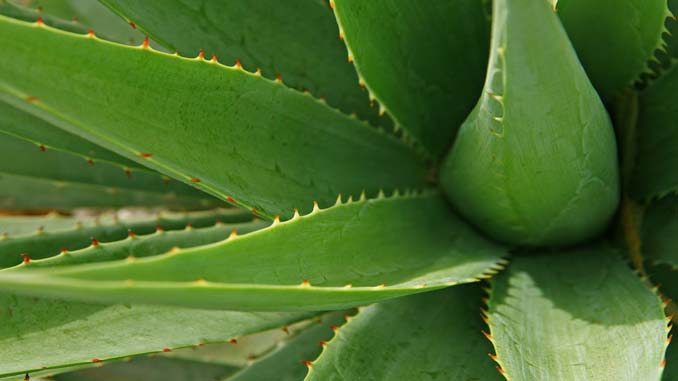
Aloe Vera: Aloe vera is renowned for its soothing properties and is often used to treat burns, sunburn, and skin irritations.
Echinacea: Echinacea is a popular herbal remedy for boosting the immune system and reducing the severity and duration of colds.
Ginger: Ginger has well-documented anti-nausea and anti-inflammatory effects, making it an excellent remedy for motion sickness and digestive discomfort.
Garlic: Garlic is known for its antimicrobial properties and is used to combat infections and promote heart health.
Turmeric: Curcumin, the active compound in turmeric, possesses potent anti-inflammatory and antioxidant properties, often used to reduce joint pain and inflammation.
Chamomile: Chamomile is a calming herb that is often consumed as a tea to alleviate stress, anxiety, and sleep disturbances.
Peppermint: Peppermint is cherished for its ability to relieve indigestion, bloating, and headaches.
Lavender: Lavender essential oil is widely used in aromatherapy to reduce anxiety and promote relaxation.
Ethnobotanical Knowledge And Cultural Significance
Medicinal plants often carry cultural significance and are deeply interwoven with the identity of communities and regions. The preservation of ethnobotanical knowledge is vital not only for the promotion of traditional healing practices but also for the conservation of biodiversity and the protection of indigenous cultures.
Sustainability And Responsible Harvesting
As the demand for medicinal plants grows, it’s essential to consider sustainable harvesting practices. Overharvesting can endanger plant species and disrupt ecosystems. Sustainable practices, such as cultivating medicinal plants, can help meet the demand while preserving nature’s resources.
Medicinal plants and their uses represent an enduring partnership between humans and the natural world. Their historical significance and the convergence of traditional knowledge with modern science offer a holistic approach to health and healing. As we continue to explore the potential of medicinal plants, it’s crucial to embrace responsible practices to ensure the preservation of these invaluable resources for future generations.