Essential Tips And Tricks
How Meal Planning Supports Weight Loss Goals
Meal planning is a powerful tool for achieving weight loss goals. It helps you stay organized, control portion sizes, and make healthier food choices, reducing the temptation to reach for high-calorie, processed foods. By planning your meals in advance, you can create a structured approach to eating that supports your weight loss journey. Here are some essential tips and tricks to help you incorporate meal planning into your weight loss plan.
1. Set Clear Weight Loss Goals
Before starting your meal planning journey, identify your weight loss goals. Are you aiming to reduce calorie intake, manage portion sizes, or increase protein intake? Understanding your objectives allows you to tailor your meal plan to meet your specific needs, ensuring that each meal contributes to your overall weight loss goals.
2. Focus On Balanced Meals With Protein, Fiber, And Healthy Fats
For effective weight loss, focus on balanced meals that include protein, fiber, and healthy fats. Protein helps build and preserve lean muscle mass, which is crucial for burning calories. Fiber keeps you full longer, reducing hunger and preventing overeating. Healthy fats from sources like avocados, nuts, and olive oil support satiety and overall nutrition.
Protein-rich foods: Chicken, turkey, tofu, beans, eggs, and lean cuts of beef.
Fiber-rich foods: Vegetables, fruits, whole grains, and legumes.
Healthy fats: Avocado, olive oil, nuts, and seeds.
3. Plan Low-Calorie, Nutrient-Dense Meals
Opt for meals that are low in calories but high in nutrients to ensure you stay full without consuming excess calories. Include a variety of colorful vegetables, lean proteins, and whole grains to keep your meals satisfying and nutritious. Avoid empty-calorie foods high in sugar, refined carbs, and unhealthy fats.
4. Prepare Portion-Controlled Meals
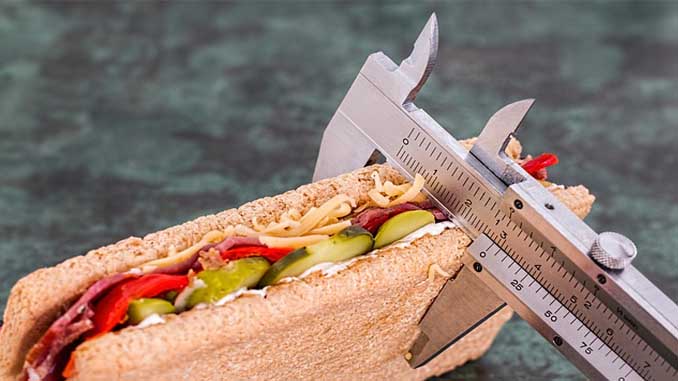
Portion control is key when trying to lose weight. Planning meals that include controlled portion sizes helps prevent overeating. Use smaller plates and measure out your food to ensure you stay within your calorie limits. Pre-portioning meals into containers helps make this process easier and keeps you accountable.
5. Plan And Prep In Advance To Avoid
Unhealthy Temptations
One of the biggest challenges when trying to lose weight is avoiding unhealthy temptations. Meal prepping allows you to have healthy, portion-controlled meals ready to grab when you’re short on time. By dedicating a few hours each week to meal prep, you reduce the likelihood of grabbing high-calorie, processed foods.
6. Incorporate Regular Snack Options
Include healthy snacks between meals to help maintain your energy levels and curb hunger. Options like nuts, Greek yogurt, fruits, and vegetable sticks keep you satisfied while contributing to your daily nutrient intake. Planning these snacks in advance ensures you always have healthier options on hand.
7. Track Your Meals And Stay Accountable
Use meal planning to track your food intake and monitor your progress. Keeping a food journal or using apps that track calories can help you stay accountable and adjust your meal plan as needed. Knowing what you’ve eaten and how it fits into your weight loss goals is key to long-term success.
By incorporating these tips into your meal planning routine, you can create a sustainable approach to weight loss that emphasizes balanced, nutritious meals. Meal planning not only helps you manage your weight but also supports your overall health and well-being.