What Is The History Of Medicine?
The history of medicine spans thousands of years and reflects humanity’s quest to understand, prevent, and treat diseases. From ancient healing practices to modern-day advancements, medicine has evolved significantly, driven by discoveries, technological advancements, and changing societal needs. This article explores key milestones in the history of medicine and how they have shaped healthcare systems around the world.
Ancient Medicine
The earliest forms of medicine date back to ancient civilizations such as Egypt, Mesopotamia, China, and India. In ancient Egypt, for instance, physicians relied on herbal remedies, ritualistic practices, and a belief in the supernatural to treat ailments. The famous Ebers Papyrus, dating back to 1550 BCE, provides detailed descriptions of over 700 medicinal recipes, diseases, and treatments.
In ancient Mesopotamia, the Code of Hammurabi (circa 1754 BCE) laid out some of the earliest known laws regulating medical practice. Ancient Chinese medicine, with practices like acupuncture and herbal remedies, remains influential to this day. In India, Ayurveda, a traditional system of medicine, focused on maintaining balance between body, mind, and spirit.
Classical Medicine
During the classical period, key figures like Hippocrates (460-370 BCE) in ancient Greece laid the foundation for modern medicine. Often referred to as the “Father of Medicine,” Hippocrates emphasized the importance of observing symptoms, diagnosing illnesses, and using natural remedies rather than supernatural explanations. His principles, including the Hippocratic Oath, remain relevant to medical ethics today.
In Rome, physicians such as Galen (129-200 CE) built on Greek medical knowledge and conducted experiments that contributed to the understanding of anatomy and physiology. Galen’s works dominated medical thought for over a millennium and were referenced in Europe until the Renaissance.
The Renaissance And The Scientific Revolution
The Renaissance period marked a turning point in the history of medicine. The invention of the printing press allowed for the mass production of medical texts, spreading knowledge more widely. In the 16th century, Andreas Vesalius, a Flemish anatomist, challenged many of Galen’s ideas by conducting detailed human dissections, leading to breakthroughs in the understanding of human anatomy.
The Scientific Revolution in the 17th and 18th centuries brought a more empirical approach to medicine. Figures like William Harvey discovered the circulation of blood, fundamentally altering the understanding of human physiology. The invention of the microscope by Anton van Leeuwenhoek further advanced the study of microorganisms, paving the way for the discovery of bacteria and viruses.
Modern Medicine And Advancements
The 19th and 20th centuries saw rapid advancements in medical science. The development of germ theory by Louis Pasteur and Robert Koch proved that microscopic organisms caused many diseases, leading to the establishment of vaccination and antiseptic practices. This discovery revolutionized public health and greatly reduced the spread of infectious diseases.
The discovery of antibiotics, such as penicillin by Alexander Fleming, transformed the treatment of bacterial infections and dramatically increased life expectancy. The development of anesthesia allowed for safer and more effective surgical procedures.
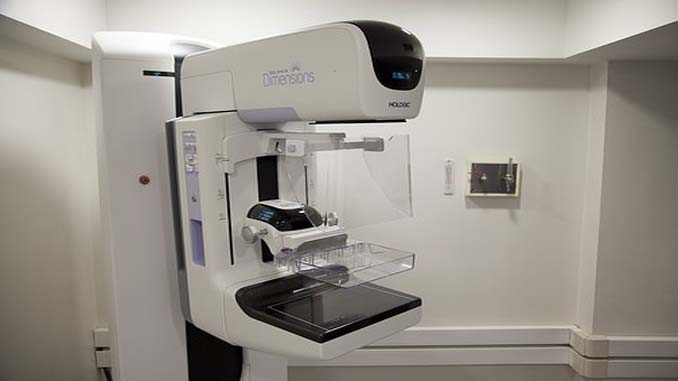
In the 20th century, medical imaging technologies like X-rays, MRI, and CT scans revolutionized diagnostics, making it easier to identify internal conditions and treat illnesses accurately. Additionally, advancements in genetics, such as the discovery of DNA’s structure, have opened new frontiers in personalized medicine.
The Role Of Medicine Today
Today, modern medicine continues to evolve with advancements in biotechnology, immunology, and personalized medicine. Medicine focuses not only on treating diseases but also on prevention, health maintenance, and improving quality of life. Vaccinations, preventive care, and the use of advanced technologies are integral to the healthcare systems of developed and developing countries alike.
From ancient remedies to cutting-edge technology, the history of medicine illustrates humanity’s ongoing quest to enhance health, prolong life, and combat disease. As medical knowledge continues to expand, the future of medicine holds even greater promise for curing diseases and improving global health outcomes.