Nurturing Natural Defenses
The immune system is our body’s frontline defense against pathogens, toxins, and diseases. It plays a crucial role in maintaining overall health and well-being. In recent years, herbal medicine has gained recognition for its potential to support and boost the immune system. This article explores the relationship between herbal medicine and the immune system, shedding light on the herbs and practices that have gained popularity for their immunomodulatory effects.
The Immune System: Nature’s Guardian
Our immune system is a complex network of cells, tissues, and molecules that work together to identify and eliminate threats to the body. This includes bacteria, viruses, fungi, and abnormal cells. A well-functioning immune system is essential for preventing illness and maintaining optimal health.
Herbal Medicine And Immune Support
Herbal medicine, also known as phytotherapy, involves the use of plants and plant-based compounds to prevent and treat various health conditions. Many herbs are valued for their potential to modulate the immune system, enhancing its capacity to defend the body against infections and diseases.
Immune-Boosting Herbs
Several herbs have gained recognition for their immune-boosting properties. Some of the most notable include:
Echinacea (Echinacea Purpurea): Echinacea is renowned for its potential to stimulate the immune system, making it a popular choice for preventing and treating colds and upper respiratory infections.
Astragalus (Astragalus Membranaceus): Astragalus is an adaptogen that can enhance the body’s resistance to stress, boost the immune system, and support overall vitality.
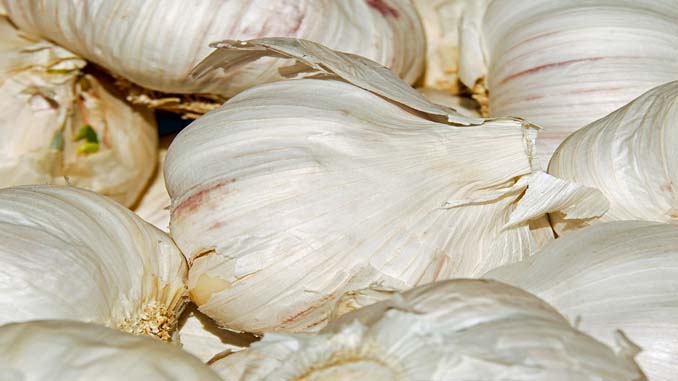
Garlic (Allium Sativum): Garlic is celebrated for its antimicrobial properties and its ability to stimulate the immune response. It has been used to ward off infections and promote overall health.
Ginseng (Panax Ginseng): Ginseng is an adaptogenic herb that can improve the body’s ability to handle stress and support the immune system’s response to infections.
Turmeric (Curcuma Longa): Curcumin, the active compound in turmeric, possesses potent anti-inflammatory and antioxidant properties. It may help regulate the immune response and reduce inflammation.
Medicinal Mushrooms (e.g., Reishi, Shiitake, Maitake): Certain medicinal mushrooms have immunomodulatory effects and are used to enhance the body’s defense mechanisms.
The Science Of Herbal Immune Support
Modern scientific research has delved into the mechanisms by which herbal remedies influence the immune system. For example, Echinacea is believed to stimulate the production of white blood cells, while astragalus can enhance the activity of immune cells such as macrophages and natural killer cells. These studies help provide a scientific basis for the use of herbal medicine in immune support.
Safety And Consultation
While herbal remedies can offer valuable support for the immune system, it’s essential to use them responsibly. Herbal preparations should be selected and used under the guidance of a knowledgeable healthcare practitioner, especially if you have underlying health conditions or are taking medications.
Herbal medicine and the immune system share a close and time-honored relationship. The use of herbs for immune support is a holistic and natural approach to enhancing the body’s defenses against illness. While not a replacement for conventional medical care, herbal medicine can complement a healthy lifestyle, bolster the immune system, and contribute to overall well-being.