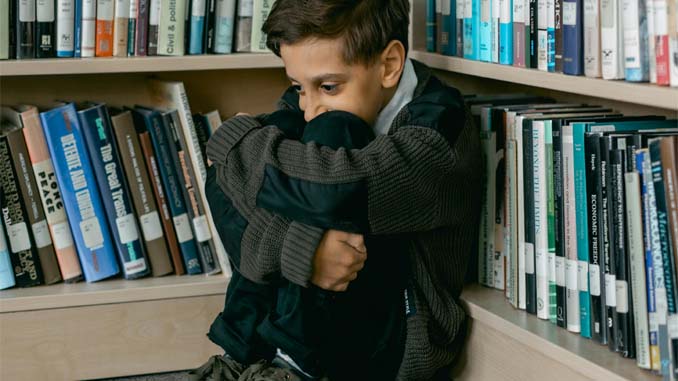
Bullying is a complex issue that comes in many forms, each with its own signs and effects. Recognizing the different types of bullying is essential for parents, teachers, and peers to intervene early and support victims effectively. Bullying can be physical, verbal, social, or cyber, and understanding these variations helps create safer environments for everyone.
Physical bullying is the most visible form and includes behaviors like hitting, kicking, pushing, or damaging someone’s belongings. It’s often the easiest to spot because it involves direct physical aggression. However, it can sometimes be dismissed as “rough play,” so it’s important to pay attention to patterns or if a child seems scared or withdrawn.
Verbal bullying involves the use of words to hurt or demean others. This can include name-calling, teasing, threats, or insults. Unlike physical bullying, verbal bullying can be subtle and occur in private or in front of others, making it harder to detect. It leaves emotional scars that may not be immediately visible but can deeply affect a victim’s self-esteem and mental health.
Social bullying, also known as relational bullying, targets a person’s relationships and social status. This includes spreading rumors, excluding someone from groups or activities, and manipulating friendships. Social bullying can be particularly damaging because it affects a person’s sense of belonging and can be difficult to prove or confront.
Cyberbullying is a growing concern, especially among teenagers. It involves using digital platforms—like social media, texting, or gaming sites—to harass, threaten, or humiliate someone. Cyberbullying can happen anytime and anywhere, making it relentless and invasive. Warning signs include sudden changes in online behavior, emotional distress after using devices, or withdrawing from social media.
Recognizing these types of bullying is just the first step. Effective prevention and intervention depend on open communication, education, and creating environments where everyone feels safe to speak up. Encouraging children to share their experiences and teaching empathy and respect can help reduce bullying’s impact.
By understanding the many faces of bullying, we can better protect those affected and promote kindness and inclusion in all areas of life.