Unprocessed Foods And
Their Vital Role In Health
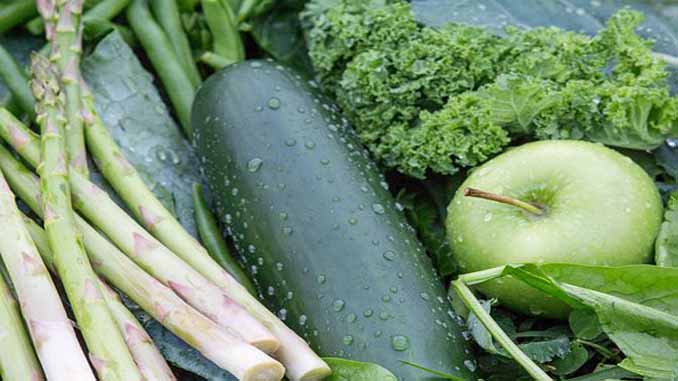
In an era where processed and convenience foods dominate our diets, the resurgence of interest in unprocessed foods signifies a critical shift towards healthier eating habits. Unprocessed foods, often referred to as whole foods, are foods that have not undergone extensive alterations in the form of additives, preservatives, or other artificial enhancements. Choosing to incorporate unprocessed foods into your diet can have profound positive effects on your health and well-being.
What Are Unprocessed Foods?
Unprocessed foods are essentially as close to their natural state as possible. These foods include fruits, vegetables, whole grains, nuts, seeds, lean proteins, and dairy products in their purest forms. They are free from artificial flavorings, colors, preservatives, and excessive salt or sugar content. Unprocessed foods provide an abundance of essential nutrients and have several key advantages:
Rich In Nutrients: Unprocessed foods are loaded with vital nutrients. Fresh fruits and vegetables, for instance, provide an array of vitamins, minerals, fiber, and antioxidants that are essential for overall health. These nutrients are not only abundant but also easily absorbed by the body.
Low In Harmful Additives: One of the major drawbacks of processed foods is the presence of artificial additives, including trans fats, high-fructose corn syrup, and excessive sodium. Unprocessed foods are devoid of these harmful additives, reducing the risk of health issues such as obesity, cardiovascular diseases, and high blood pressure.
Balanced Macronutrients: Whole foods contain a natural balance of macronutrients – carbohydrates, proteins, and fats – without an excessive amount of any one component. This balance promotes steady energy levels and helps regulate blood sugar, making unprocessed foods an ideal choice for those concerned about diabetes or weight management.
Digestive Health: Fiber, found abundantly in unprocessed foods like whole grains, legumes, and vegetables, is essential for maintaining a healthy digestive system. It aids in regular bowel movements, prevents constipation, and supports gut health.
Weight Management: Unprocessed foods can play a significant role in weight management. They tend to be lower in calorie density, meaning you can consume larger portions with fewer calories. Additionally, they are often more filling due to their high fiber content, reducing the likelihood of overeating.
Improved Overall Well-Being: The consumption of unprocessed foods is not just about physical health; it also impacts mental well-being. A diet rich in whole foods has been associated with better cognitive function, improved mood, and reduced risk of depression and anxiety.
How To Incorporate Unprocessed Foods: Incorporating unprocessed foods into your diet can be a gradual process. Start by replacing processed snacks with fresh fruit, and opt for whole grains like brown rice or quinoa instead of refined grains. Experiment with homemade salads and try to cook more meals from scratch using unprocessed ingredients.
Unprocessed foods are a cornerstone of a healthy diet and lifestyle. Choosing to prioritize whole foods can lead to numerous benefits, including enhanced nutrition, lower exposure to harmful additives, and overall improved well-being. The movement towards unprocessed foods represents a return to the roots of natural and healthy eating, offering a brighter and more healthful future for those who embrace this nutritious path.