A Marvel Of Precision And Craftsmanship
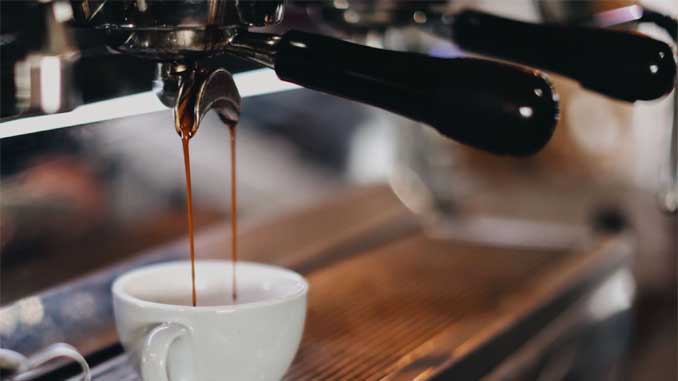
In the world of coffee, the espresso machine is the unsung hero that transforms humble coffee beans into the liquid gold known as espresso. This intricate device is not merely a kitchen appliance; it’s a masterpiece of engineering, precision, and craftsmanship. Behind every exquisite espresso shot lies the dedication and ingenuity of the espresso machine.
A Brief History
The history of the espresso machine is a testament to human innovation. The first patent for a steam-driven coffee machine was granted to Angelo Moriondo in 1884, in Turin, Italy. This early device laid the foundation for what would become a global coffee revolution.
In 1901, Luigi Bezzera created the first true espresso machine by incorporating a pressure release valve. This innovation allowed for the creation of highly concentrated coffee, which became known as “espresso” due to the speed at which it was brewed.
The Elements Of An Espresso Machine
Espresso machines are a complex amalgamation of components, each with a unique role in creating the perfect shot of espresso:
Boiler: The heart of the machine, the boiler heats water to the ideal brewing temperature, typically between 195°F and 205°F (90°C to 96°C). It is equipped with a pressure release valve to maintain precise pressure levels.
Pump: Modern espresso machines often feature a pump to ensure a consistent and controlled flow of water through the coffee grounds. The pump generates pressure, which is vital for creating the crema—a signature layer of golden froth on top of the espresso.
Portafilter: The portafilter is the device used to hold the coffee grounds during brewing. It is an essential tool in distributing the grounds evenly and consistently, contributing to the even extraction of flavors.
Group Head: The group head is the component that connects the portafilter to the machine. It plays a crucial role in maintaining a stable temperature and pressure during the brewing process.
Steam Wand: Espresso machines often come equipped with a steam wand, used to froth milk for various espresso-based drinks like cappuccinos and lattes. The wand controls the release of steam to achieve the desired level of froth.
The Art Of Espresso Extraction
Brewing a perfect shot of espresso is an art that demands precise execution. Baristas and enthusiasts alike know that achieving the correct grind size, dose, and tamping pressure is essential. The interaction between these elements and the machine’s ability to maintain consistent temperature and pressure is what differentiates a mediocre shot from an extraordinary one.
Evolution And Innovation
Over the years, espresso machines have evolved significantly. From manual lever machines to semi-automatic, automatic, and super-automatic models, there’s an espresso machine for every skill level and preference. Super-automatic machines, for example, take care of everything from grinding and dosing to brewing and milk frothing, making the process accessible to even the most novice coffee lovers.
Espresso machines have also become more compact and stylish, making them suitable for home use. From sleek, minimalist designs to vintage-inspired models, they add an aesthetic touch to modern kitchens.
The espresso machine is a true marvel of engineering and craftsmanship. It’s a testament to human ingenuity, bringing the complex art of espresso brewing into the reach of countless coffee enthusiasts. Whether you’re a professional barista crafting intricate latte art or a homebrewing aficionado perfecting your morning ritual, the espresso machine is the cornerstone of your coffee journey. It embodies the fusion of technology and tradition, offering a glimpse into the rich and ever-evolving world of coffee culture.