A Recipe For Health And Sustainability
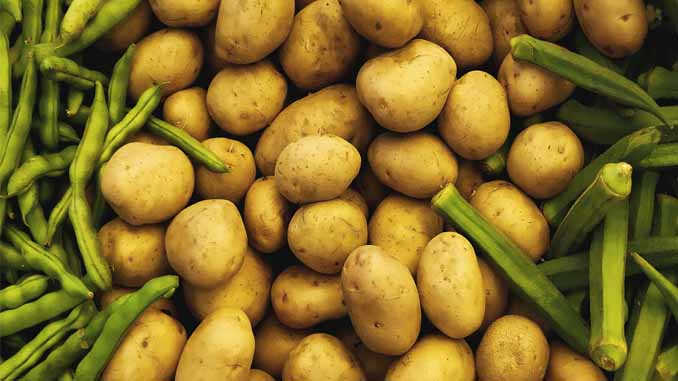
Organic cooking is more than just a culinary trend; it’s a conscious and sustainable way of preparing food that aligns with the principles of organic farming. This practice emphasizes the use of organically grown and sustainably produced ingredients to create flavorful, wholesome meals. In the world of food, organic cooking is gaining prominence for its numerous health benefits and the positive impact it has on the environment.
The Essence Of Organic Cooking: At its core, organic cooking revolves around the use of organic ingredients – fruits, vegetables, grains, meats, and dairy products that are produced without the use of synthetic pesticides, herbicides, and genetically modified organisms (GMOs). Organic farming practices are committed to sustainable agriculture that fosters soil health, conserves water, and minimizes environmental damage.
Health Benefits: Organic cooking prioritizes the quality and nutritional value of ingredients. Here are some key health benefits associated with organic cooking:
Nutrient-Rich Ingredients: Organically grown foods tend to be richer in essential nutrients, such as vitamins, minerals, and antioxidants. This means that meals prepared with organic ingredients can provide a more substantial nutritional punch.
Avoiding Harmful Chemicals: Organic cooking eliminates the risk of ingesting synthetic pesticides and herbicides commonly found on conventionally grown produce. These chemicals have been linked to various health issues, making organic options a healthier choice.
Reduced Exposure To Antibiotics And Hormones: Organic meats and dairy products come from animals that are raised without antibiotics and synthetic hormones. By consuming organic animal products, you reduce your exposure to these potentially harmful substances.
Better For Allergies: Organic foods have been reported to be less likely to trigger allergies due to their lack of synthetic chemicals and genetically modified ingredients.
Sustainability And The Environment: Organic cooking is not only beneficial for your health but also for the planet. Sustainable farming practices that go hand-in-hand with organic cooking have several environmental advantages:
Soil Health: Organic farming promotes healthier soil by avoiding the use of synthetic chemicals that can degrade the quality of the land. This leads to improved soil fertility and greater resistance to erosion.
Reduced Environmental Impact: Organic farming minimizes the release of harmful chemicals and fertilizers into the environment. This helps protect water quality and supports local ecosystems.
Preserving Biodiversity: Organic farms tend to have higher levels of biodiversity, as they often grow a wider variety of crops and rely on natural pest control methods.
Climate Change Mitigation: Organic farming practices, such as crop rotation and cover cropping, sequester carbon and reduce greenhouse gas emissions, making them more climate-friendly.
Tips For Organic Cooking:
To embrace organic cooking in your kitchen, consider the following tips:
Shop Local: Purchase organic ingredients from local farmers’ markets or join a Community-Supported Agriculture (CSA) program to access fresh, seasonal organic produce.
Read Labels: Look for the USDA Organic label on packaged products to ensure they meet organic standards.
Grow Your Own: If possible, start a small organic garden in your backyard or even on your balcony to have fresh, homegrown ingredients at your disposal.
Plan Your Meals: Organize your meals around seasonal organic produce to enjoy the freshest ingredients.
Organic cooking is a culinary journey that celebrates health and sustainability. It prioritizes quality, nutrition, and environmental responsibility, making it an excellent choice for individuals who are passionate about nourishing themselves while protecting the planet. By embracing organic ingredients and sustainable cooking practices, you can create delicious meals that are not only good for your health but also for the world we all share.