A Culinary Journey Through Your Backyard
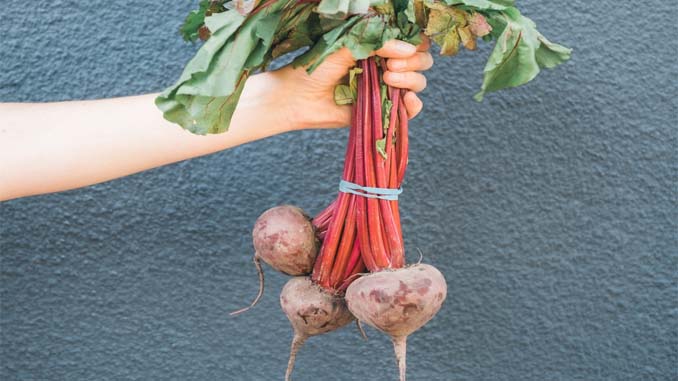
Homegrown flavors bring a unique and satisfying dimension to the world of culinary experiences. They capture the essence of locally sourced, freshly harvested ingredients right from your backyard or garden. The process of cultivating, nurturing, and eventually incorporating homegrown produce into your meals can be a rewarding journey that elevates the flavors, quality, and sustainability of your food.
The Beauty Of Homegrown Produce: Homegrown flavors revolve around fruits, vegetables, herbs, and even edible flowers that you cultivate in your own garden or backyard. These ingredients are often grown without synthetic pesticides or chemicals, which not only ensures a healthier and more natural outcome but also allows you to have full control over their quality.
Flavorful Benefits:
One of the most immediate and compelling benefits of homegrown flavors is the enhancement of taste. Here are a few reasons why homegrown produce tastes better:
Ripeness: Homegrown produce is harvested when it’s perfectly ripe, ensuring that you experience the fullest, most vibrant flavors.
Nutrient Density: The time and care you invest in your homegrown produce can lead to higher nutrient content, contributing to more intense and wholesome flavors.
Variety: You have the freedom to choose a wide variety of fruits, vegetables, and herbs that may not be available at your local grocery store, diversifying your palate.
Unique Varietals: Experimenting with different heirloom or unusual plant varieties can lead to exceptional and distinctive flavors that are hard to find elsewhere.
A Sustainable Choice: Homegrown flavors align with the principles of sustainability and environmental responsibility. When you grow your own produce, you reduce your carbon footprint, as there are no transportation or packaging requirements. Additionally, you have the flexibility to practice organic and eco-friendly gardening, reducing the use of harmful chemicals and conserving resources.
Cultivating Homegrown Flavors:
Choose Your Plants: Decide which fruits, vegetables, herbs, or edible flowers you want to cultivate. Consider what grows well in your climate and what you enjoy eating.
Prepare The Soil: Ensure your soil is healthy, well-draining, and nutrient-rich. Add compost or organic matter to enhance soil quality.
Plant With Care: Follow proper spacing and planting instructions for your chosen crops. Keep an eye on sunlight requirements and water them consistently.
Protect Your Garden: Be mindful of pests and diseases. You can use organic pest control methods to safeguard your plants.
Harvest At The Right Time: Harvest your produce when it’s at its peak ripeness to maximize flavor.
Get Creative: Experiment with your homegrown ingredients in various dishes, preserving them, or sharing the abundance with friends and neighbors.
Enjoying The Fruits (And Vegetables) Of Your Labor: Once you’ve cultivated your homegrown produce, it’s time to enjoy the flavors in your culinary creations. Try incorporating them into salads, salsas, pasta dishes, or even dessert recipes. Fresh herbs can elevate your cooking, while homegrown fruits and vegetables can add an extra layer of taste and nutrition to your meals.
Homegrown flavors are a testament to the simple joys of nurturing and celebrating the taste of your own harvest. They offer freshness, quality, and sustainability that elevate your culinary experiences. Cultivating your own produce not only connects you with the land but also encourages responsible food choices and a deeper appreciation for the flavors of home. Whether you have a sprawling garden or a few pots on your balcony, homegrown flavors have the potential to enrich your life and your palate.