Understanding The Basics
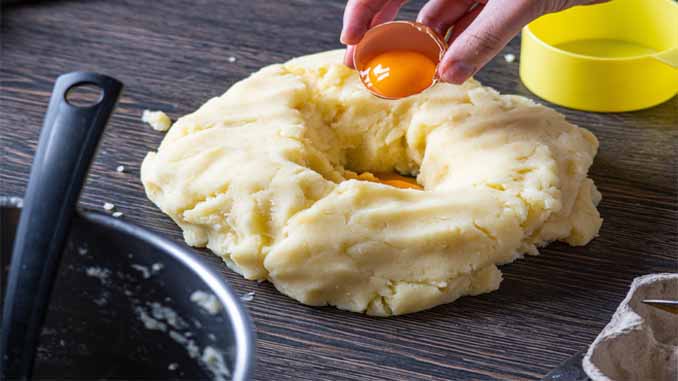
Gluten-containing foods are a significant part of the modern diet, but their impact on our health can vary widely depending on individual factors. In recent years, gluten has garnered significant attention due to its association with various health conditions, particularly celiac disease and non-celiac gluten sensitivity. In this article, we explore the fundamentals of gluten-containing foods, their sources, and their role in our diets.
What Is Gluten?
Gluten is a protein composite made up of two primary proteins, glutenin and gliadin, found in various grains, most notably wheat, barley, and rye. These proteins give dough its elasticity and help bread and other baked goods rise. While gluten is a staple in many culinary creations, it can pose health challenges for some individuals.
Sources Of Gluten
Wheat: Wheat is one of the most abundant sources of gluten in our diets. It’s used in a wide range of products, including bread, pasta, pastries, and cereals.
Barley: Barley contains gluten and is often used in soups, stews, and as a flavoring in malted products like beer.
Rye: Rye is another grain containing gluten, primarily used in bread and some alcoholic beverages.
Triticale: Triticale is a hybrid of wheat and rye and also contains gluten.
Common Gluten-Containing Foods
Bread And Baked Goods: Wheat-based bread, pastries, and cakes are rich in gluten.
Pasta: Traditional wheat pasta is a gluten-containing staple.
Cereals: Many breakfast cereals are made from gluten-containing grains, though gluten-free alternatives are available.
Beer: Most beers are brewed with barley or wheat, making them a source of gluten.
Processed Foods: Gluten can hide in various processed foods, from salad dressings to sauces, and even some candies.
Pizza: Pizza crust is traditionally made from wheat dough, but gluten-free options are widely available.
Flour And Breading: Flour derived from wheat is used for breading, thickening, and in baking.
Health Considerations
For the vast majority of people, gluten-containing foods are a safe and nutritious part of their diets. However, for those with celiac disease, an autoimmune disorder, consuming gluten can have severe health consequences, as it triggers an immune response leading to damage in the small intestine.
Non-celiac gluten sensitivity is another condition where individuals experience adverse reactions to gluten without the autoimmune response seen in celiac disease. The symptoms can range from digestive issues to headaches and fatigue.
It’s essential for individuals with these conditions to avoid gluten-containing foods completely, but it’s also vital for those who don’t have these conditions to understand the role of gluten in their diets. Gluten-free alternatives and labels are readily available, making it easier for individuals to make informed choices about their food.
Gluten-containing foods are a fundamental part of our diets, providing the foundation for various culinary delights. While they offer nourishment and taste to most, it’s crucial to be mindful of gluten if you have celiac disease or non-celiac gluten sensitivity. For everyone else, understanding the role of gluten in your diet and its alternatives can lead to a healthier and more informed approach to nutrition.