A Key To Health And Enjoyment
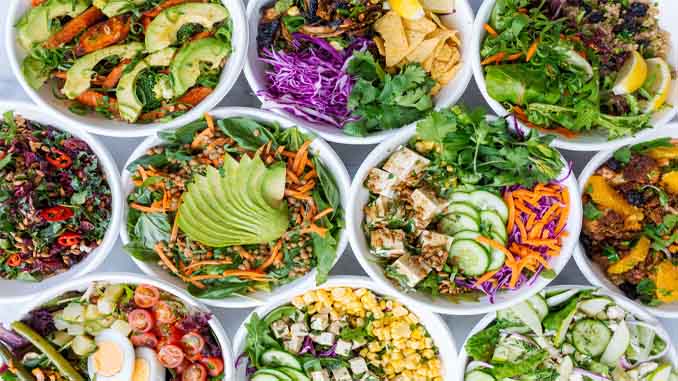
Food variety is an essential element of a balanced and enjoyable diet. It encompasses a wide range of foods from different food groups, offering diverse flavors, textures, and nutrients. While the importance of a varied diet is often emphasized for nutritional benefits, it also plays a crucial role in promoting healthy eating habits, culinary adventure, and overall well-being.
Nutritional Balance: One of the primary advantages of consuming a variety of foods is the achievement of a balanced and nutritious diet. Each food group brings a unique set of essential nutrients to the table. By incorporating a broad range of foods, you are more likely to meet your nutritional needs, ensuring that your body receives an ample supply of vitamins, minerals, carbohydrates, proteins, and fats. This diversity is vital for maintaining energy levels, boosting the immune system, and supporting overall health.
Preventing Dietary Deficiencies: A monotonous diet that lacks variety can lead to nutritional deficiencies. For instance, relying solely on a narrow selection of foods may result in inadequate intake of specific nutrients like vitamin C, calcium, or fiber. Over time, such deficiencies can contribute to health problems. By diversifying your diet, you reduce the risk of missing out on these critical nutrients.
Enhancing Taste And Satisfaction: Food variety doesn’t just benefit your health; it also elevates your culinary experience. A diet rich in diverse flavors and textures can make every meal a delightful adventure. Savoring different foods stimulates your taste buds and keeps meals exciting and enjoyable. It can prevent food boredom and discourage overindulgence in less nutritious, but more familiar, options.
Cultural Exploration: Exploring a variety of foods exposes you to different culinary traditions and cultural practices. This exploration can be a delicious way to learn about diverse cultures, fostering a deeper appreciation for the richness and diversity of the world. It also encourages an understanding of the importance of cultural food heritage.
Diverse Nutritional Profiles: Different foods have different nutritional profiles. For instance, leafy greens provide a wealth of vitamins and minerals, while whole grains offer fiber and sustained energy. Lean proteins like fish and poultry are rich in essential amino acids. By incorporating all of these into your diet, you ensure a holistic approach to nutrition that supports all aspects of health.
Dietary Flexibility: A diet rich in food variety allows for greater flexibility. It accommodates individual preferences, dietary restrictions, and specific health needs. If you have dietary restrictions or health conditions, you can still enjoy a diverse diet by selecting from foods that fit within your parameters.
Practical Tips For Embracing Food Variety:
Plan Weekly Menus: Planning your meals in advance can help ensure a variety of foods are included.
Experiment With Ingredients: Try new ingredients and recipes regularly. Be open to exploring different cuisines.
Shop Seasonally: Buying fruits and vegetables that are in season is a great way to ensure variety in your diet.
Rotate Protein Sources: Vary your protein sources, including plant-based options like beans and tofu, lean meats, and fatty fish.
Moderation And Balance: Embrace the principle of moderation. While variety is important, it’s also essential to consume foods in appropriate portions.
Food variety is a cornerstone of a wholesome and enjoyable diet. It contributes to balanced nutrition, promotes health, and makes meals an adventure in flavor and culture. Embracing diverse foods can improve your overall well-being while turning each meal into a delightful journey of taste and exploration.