The Art Of Ingredient Substitutions
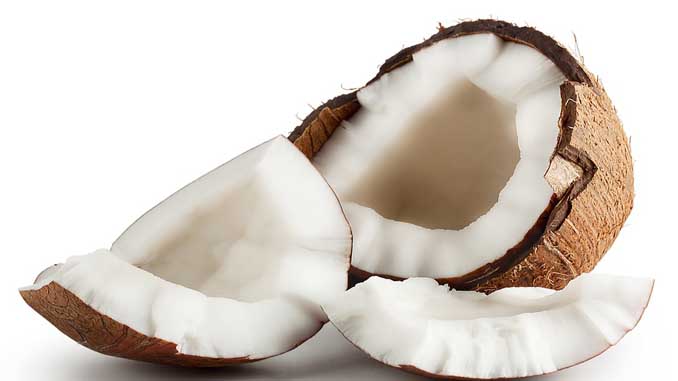
In the world of cooking, there are times when you may find yourself in a pinch, missing a key ingredient for your recipe. This is where the art of ingredient substitutions comes into play, allowing you to adapt and experiment while still creating delicious dishes. Whether you’re dealing with dietary restrictions, food allergies, or simply an empty pantry, mastering ingredient substitutions is a valuable skill for any home cook.
Why Ingredient Substitutions Matter
Ingredient substitutions are a creative solution to common cooking challenges. They empower you to overcome limitations, adapt to dietary preferences, and make the most of what you have in your kitchen. They can be particularly useful in emergencies when you don’t have time to run to the store or want to reduce food waste.
Common Ingredient Substitutions
Buttermilk: When a recipe calls for buttermilk and you don’t have any on hand, you can make a substitute by adding 1 tablespoon of white vinegar or lemon juice to 1 cup of milk and letting it sit for a few minutes.
Egg: To replace an egg in baking, you can use ingredients like applesauce, mashed bananas, yogurt, or silken tofu, depending on the desired texture.
All-Purpose Flour: If you’re out of all-purpose flour and need a substitute for baking, you can use alternatives like almond flour, coconut flour, or oat flour, depending on the recipe.
Sugar: For a healthier alternative, you can replace refined sugar with options like honey, maple syrup, or coconut sugar.
Butter: When a recipe calls for butter, you can use alternatives like coconut oil, olive oil, or unsweetened applesauce, depending on the application.
Heavy Cream: To replace heavy cream in savory dishes, you can use ingredients like Greek yogurt, silken tofu, or a mixture of milk and butter. For desserts, coconut cream can be a suitable alternative.
Healthier Ingredient Substitutions
Ingredient substitutions aren’t just about convenience; they can also be used to make your dishes healthier. For example:
White Rice: Swap white rice for brown rice, quinoa, or cauliflower rice to increase fiber content and boost nutritional value.
Mayonnaise: In salads and sandwiches, you can replace mayonnaise with Greek yogurt for a lower-fat alternative.
Breadcrumbs: Instead of breadcrumbs, you can use crushed nuts or rolled oats for a gluten-free option in recipes.
Dietary Restrictions And Allergies
Ingredient substitutions are especially crucial for individuals with dietary restrictions and allergies. For those with gluten allergies, there are many gluten-free flours and starches available. People with lactose intolerance can use lactose-free milk or dairy-free alternatives. Those with nut allergies can often substitute seeds, such as sunflower or pumpkin seeds, for nuts in recipes.
Culinary Creativity
Ingredient substitutions also open the door to culinary creativity. They encourage you to experiment, develop new flavors, and adapt recipes to suit your personal preferences. For instance, you can use different spices and herbs to create unique flavor profiles, or you can substitute vegetables or proteins to put your own twist on classic dishes.
The art of ingredient substitutions is a valuable tool in the kitchen. It empowers you to adapt to various cooking challenges, make healthier choices, and cater to dietary restrictions and allergies. It also encourages culinary creativity and experimentation. With a little practice and an understanding of ingredient characteristics, you can confidently navigate your kitchen and create flavorful dishes, even when you’re missing a key ingredient.