Embark On Your Culinary Journey
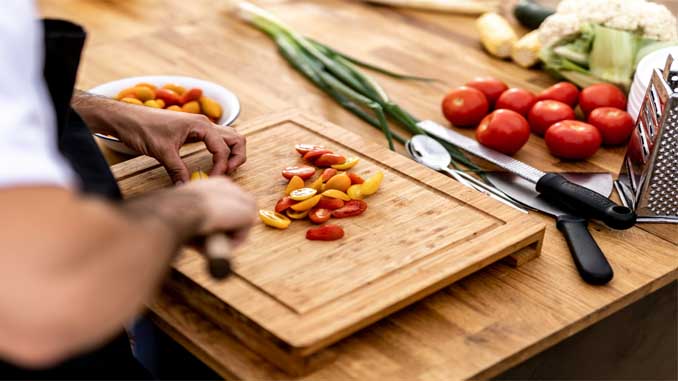
Cooking is a fundamental life skill that brings joy, nourishment, and a sense of accomplishment. However, for beginners, stepping into the kitchen can be a daunting task. The world of culinary arts may seem complex and overwhelming, but it doesn’t have to be. Cooking for beginners is an exciting journey that can lead to delicious homemade meals and newfound culinary confidence.
The Importance Of Cooking For Beginners
Why is learning to cook important, especially for beginners? Here are some compelling reasons:
1. Healthier Eating: Cooking at home allows you to make nutritious choices and control the ingredients that go into your meals. It’s a significant step towards a healthier lifestyle.
2. Cost-Effective: Eating out or ordering takeout can be expensive. Cooking at home is often more budget-friendly and cost-effective in the long run.
3. Empowerment: Learning to cook empowers you to take charge of your diet and make informed food choices. It’s a life skill that fosters independence.
4. Culinary Exploration: Cooking introduces you to different cuisines, ingredients, and flavors. It’s a journey of exploration and creativity.
5. Sense Of Accomplishment: Preparing a meal from scratch and sharing it with loved ones can be immensely satisfying. It’s a source of pride and accomplishment.
Tips For Cooking For Beginners
Here are some practical tips to help beginners embark on their culinary journey:
1. Start With The Basics: Begin with simple recipes and gradually work your way up to more complex dishes. Cooking is a skill that develops over time.
2. Gather Essential Tools: Invest in a few essential kitchen tools, such as a sharp knife, cutting board, pots, and pans. These items are the foundation of any kitchen.
3. Follow Recipes: When starting out, it’s a good idea to follow recipes closely. As you gain experience, you can experiment and customize dishes to your taste.
4. Learn Basic Techniques: Understanding fundamental cooking techniques like chopping, sautéing, and simmering is crucial. These skills provide the building blocks for more advanced cooking.
5. Build A Well-Stocked Pantry: Stock your pantry with staples like pasta, rice, canned tomatoes, spices, and oils. A well-stocked pantry makes meal preparation more convenient.
6. Embrace Meal Planning: Plan your meals in advance. This will help you organize your grocery shopping and reduce last-minute cooking stress.
7. Take Cooking Classes: If you’re serious about learning to cook, consider taking cooking classes. Many community centers and culinary schools offer classes for beginners.
8. Be Patient And Persistent: Mistakes are part of the learning process. Don’t be discouraged by culinary mishaps. Instead, learn from them and keep experimenting.
9. Experiment With Flavors: Explore different herbs, spices, and ingredients to discover new tastes and combinations that excite your palate.
10. Enjoy The Process: Cooking is not just about the end result; it’s about the journey. Savor the experience and take pleasure in every step, from selecting ingredients to tasting the final dish.
The Pleasures Of Cooking For Beginners
Cooking for beginners is not just about acquiring a skill; it’s about embracing a lifestyle. It’s an opportunity to enjoy the art of creation, exploration, and nourishment. Whether you’re whipping up a simple pasta dish, a comforting soup, or a flavorful stir-fry, every beginner’s dish is a step towards culinary mastery.
So, take a deep breath, put on your apron, and embark on your culinary journey. Cooking for beginners can be a delightful, rewarding adventure. With time, practice, and a little patience, you’ll find yourself confidently preparing meals that not only satisfy your taste buds but also enrich your life. Enjoy the process, savor the flavors, and relish the sense of accomplishment that comes with every homemade meal.