Nurturing Your Inner Landscape
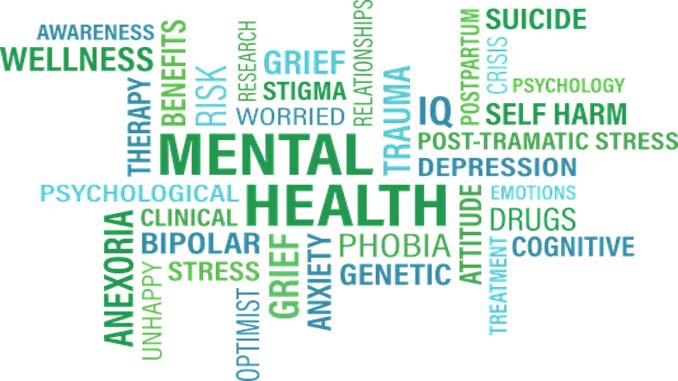
Emotional growth is a profound and ongoing journey that encompasses self-awareness, resilience, and personal development. It involves gaining a deeper understanding of your own emotions, experiences, and responses, and using this insight to become a more empathetic, emotionally intelligent, and well-rounded individual. In this article, we’ll explore what emotional growth is, why it’s crucial, and how to foster it in your life.
Understanding Emotional Growth
Emotional growth is the process of expanding your emotional intelligence, resilience, and well-being. It involves self-reflection, self-awareness, and the development of coping strategies to manage life’s challenges more effectively. This journey encompasses a range of emotions, from happiness and contentment to sadness and frustration, and it is an ongoing, lifelong endeavor.
The Significance Of Emotional Growth
Improved Mental Health: Emotional growth contributes to better mental health by promoting self-awareness and emotional regulation. It can lead to reduced stress, anxiety, and depression.
Enhanced Relationships: Emotionally growth individuals are better equipped to navigate relationships. They can communicate more effectively, empathize with others, and understand the emotions and perspectives of those around them.
Personal Development: Emotional growth challenges individuals to become their best selves by working through emotional difficulties, gaining insight into their reactions, and fostering personal growth.
Increased Resilience: Emotional growth enhances resilience by teaching individuals how to adapt to life’s challenges, bounce back from setbacks, and face adversity with greater strength.
Cultivating Emotional Growth
Self-Reflection: Begin by exploring your emotional landscape. Reflect on your past experiences, how they’ve shaped you, and the patterns in your emotional responses.
Mindfulness And Meditation: These practices can help you become more attuned to your thoughts, feelings, and bodily sensations. They promote self-awareness and emotional regulation.
Empathy: Practice empathy by trying to understand the feelings and perspectives of others. Empathy fosters emotional intelligence and enriches your relationships.
Embrace Vulnerability: Allow yourself to be vulnerable. It’s a crucial aspect of emotional growth, as it involves acknowledging your own feelings and sharing them with others.
Effective Communication: Work on improving your communication skills. Learn to express your emotions and listen to others without judgment.
Seek Support: Don’t hesitate to seek the support of friends, family, or a therapist. Professional guidance can be invaluable in your emotional growth journey.
The Benefits Of Emotional Growth
Better Relationships: Emotional growth leads to improved relationships by enhancing your capacity to connect and relate to others.
Increased Self-Awareness: You’ll gain a deeper understanding of your own emotions, behaviors, and triggers, which can lead to better self-regulation.
Enhanced Coping Skills: Emotional growth provides you with effective coping skills that are invaluable when facing life’s challenges.
Personal Fulfillment: Gaining emotional intelligence and becoming more in tune with your own emotional landscape can lead to a profound sense of personal fulfillment and well-being.
Emotional growth is a journey of self-discovery and development that enhances your mental health, relationships, and personal resilience. By fostering self-awareness, practicing empathy, and seeking personal growth, you can embark on a transformative path toward a more emotionally fulfilling and balanced life. Remember that emotional growth is an ongoing process, and each step you take brings you closer to a richer and more fulfilling existence.