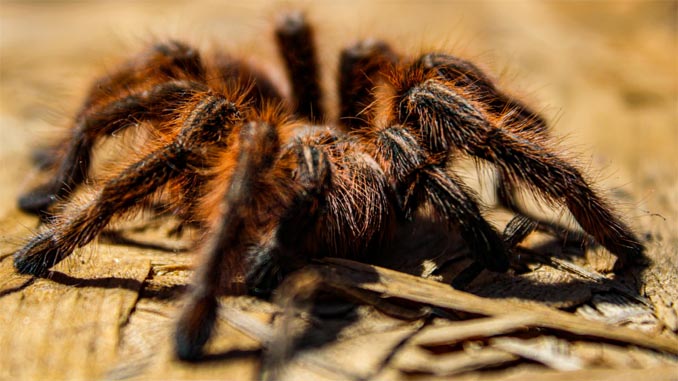
Spiders are among the most widespread and adaptable creatures on the planet, inhabiting environments that range from dense tropical rainforests to arid deserts, high mountain peaks, and even urban high-rises. With over 50,000 known species—and likely many more yet to be discovered—spiders have evolved an astonishing range of survival strategies that allow them to thrive in nearly every terrestrial ecosystem.
One of their key adaptations is their ability to produce silk, a material that is lightweight, flexible, and stronger than steel by weight. Spiders use silk for multiple purposes: building webs to catch prey, wrapping eggs for protection, creating shelters, or even ballooning through the air to disperse over long distances. Some young spiders can travel miles by releasing silk threads that catch the wind, a method known as ballooning. This behavior explains how spiders have reached remote islands and mountaintops that are otherwise inaccessible.
Spiders are also expert hunters. While some species rely on intricately designed webs to trap insects, others are active predators, stalking their prey with stealth and speed. Jumping spiders, for instance, have excellent vision and can leap several times their body length to pounce on their target. Trapdoor spiders construct burrows with camouflaged lids and ambush unsuspecting prey that wander too close.

Despite their often fearsome reputation, spiders play a vital role in ecosystems. They help control insect populations, including pests that can damage crops or spread disease. A single spider can consume hundreds of insects in a year, making them one of nature’s most efficient pest control agents.
Spiders have also shown an impressive ability to adapt to human environments. In cities, they can be found in basements, attics, parks, and gardens. Some urban species have even grown larger or altered their web-building behaviors in response to city life.
Though often misunderstood, spiders are remarkable creatures worthy of fascination and respect. Their diverse lifestyles, survival tactics, and ecological importance make them a vital—and surprisingly elegant—part of the natural world.