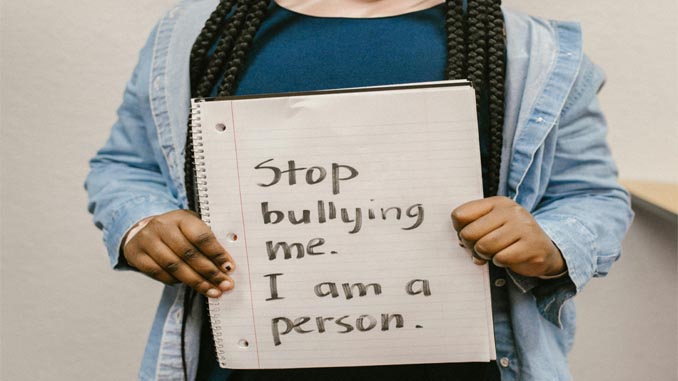
Bullying is a widespread issue that affects people of all ages, but especially children and teenagers. It involves repeated aggressive behavior intended to hurt, intimidate, or dominate others. Understanding the causes and effects of bullying is crucial for parents, teachers, and communities to effectively prevent and address this harmful behavior.
One of the main causes of bullying is the desire for power and control. Bullies often use intimidation to feel more powerful, especially if they experience insecurity or lack control in other parts of their lives. Sometimes, children who are bullied themselves may act out as bullies to regain a sense of authority or protect themselves from future harm.
Another cause can be environmental factors, such as family issues, peer pressure, or exposure to aggressive behavior at home or in media. Children who grow up in environments where violence or disrespect is common may learn to replicate those behaviors. Additionally, societal influences like stereotypes or discrimination can contribute to bullying, especially when individuals are targeted because of their race, gender, or other personal traits.

The effects of bullying are often long-lasting and serious. Victims can suffer from emotional and psychological trauma, including anxiety, depression, and low self-esteem. Bullying can lead to feelings of isolation and helplessness, which may result in poor academic performance or even school avoidance. In extreme cases, bullying has been linked to self-harm and suicidal thoughts.
Moreover, bullying affects the bully as well. Aggressive behavior may lead to problems in relationships and an increased risk of engaging in criminal activities later in life. The entire community suffers when bullying is present, as it creates an unsafe environment that hinders learning and social development.
Preventing bullying requires a combined effort. Schools, families, and peers need to foster a culture of respect, empathy, and open communication. Teaching children healthy ways to manage emotions and resolve conflicts can reduce bullying behaviors. Encouraging bystanders to stand up and support victims also makes a big difference.
Understanding the causes and consequences of bullying is the first step toward creating safer, more supportive environments where everyone can thrive.