A Masterpiece Of Mughal Architecture
What Is The History Of The Taj Mahal?
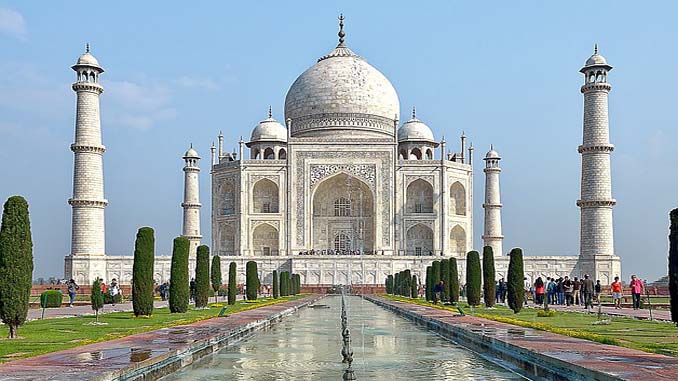
The Taj Mahal is one of the most famous and breathtaking landmarks in the world, renowned for its stunning white marble architecture and deep historical significance. Located in Agra, India, the Taj Mahal stands as a testament to love, artistic excellence, and the grandeur of the Mughal Empire. Below, we explore the rich history, construction, and cultural impact of this iconic monument.
Construction And Purpose
Built By Emperor Shah Jahan: The Taj Mahal was commissioned by Mughal Emperor Shah Jahan in 1632 as a tribute to his beloved wife, Mumtaz Mahal.
Mumtaz Mahal was Shah Jahan’s favorite wife, who tragically passed away during childbirth in 1631. Her death deeply affected Shah Jahan, and he vowed to build a magnificent mausoleum in her memory.
The purpose of the Taj Mahal was not only as a tomb for Mumtaz Mahal but also as a symbol of eternal love that would immortalize their bond.
Construction And Architectural Brilliance
Construction Timeline: The construction of the Taj Mahal began in 1632 and took 22 years to complete.
Thousands of artisans, craftsmen, and laborers were employed to build this monumental structure. It is estimated that 20,000 workers from various parts of the Mughal Empire contributed to its creation.
Architectural Style: The Taj Mahal is considered a masterpiece of Mughal architecture, blending Persian, Indian, and Islamic styles.
Its white marble façade, intricate inlays of semi-precious stones like jade, turquoise, and sapphire, and symmetrical gardens are key features of its design.
The Taj Mahal’s symmetrical design reflects Islamic principles of balance and order, creating a sense of harmony and grandeur.
Construction Materials: The primary material used is white marble, which was sourced from the nearby region of Makrana in Rajasthan. The marble’s translucent quality enhances the monument’s ethereal beauty, especially during sunrise and sunset.
Cultural And Historical Significance
Symbol Of Love And Legacy: The Taj Mahal is a UNESCO World Heritage Site and one of the Seven Wonders of the World. It represents not only Mughal architecture but also India’s rich cultural and historical heritage.
Its stunning beauty has made it an enduring symbol of love and devotion, drawing millions of tourists from around the globe.
Mughal Empire’s Influence: The Taj Mahal reflects the grandeur and wealth of the Mughal Empire during the 17th century. It showcases the Mughal rulers’ ability to bring together art, culture, and religion in one grand structure.
The monument’s design influenced subsequent Mughal architecture and inspired similar structures across the Indian subcontinent.
Tourism And Preservation: Today, the Taj Mahal attracts millions of visitors annually, contributing to India’s tourism sector. Efforts have been made to preserve the monument due to concerns about pollution and environmental impact on the delicate marble.
The Taj Mahal is more than just a historical landmark; it is a symbol of love, devotion, and the rich cultural heritage of India. Its majestic beauty, architectural brilliance, and emotional significance make it one of the world’s most iconic monuments, drawing millions of visitors every year to witness its timeless grandeur.
