A Vital Ecosystem And Natural Wonder
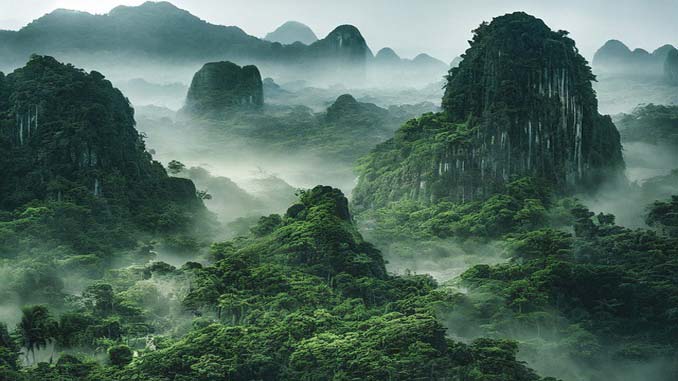
What Is The Amazon Rainforest?
The Amazon Rainforest is the world’s largest tropical rainforest, covering an estimated 5.5 million square kilometers (2.1 million square miles). Spanning across nine countries in South America, including Brazil, Peru, Colombia, and Venezuela, the Amazon is a crucial component of the planet’s biodiversity and climate system. Known as the “Lungs of the Earth,” the Amazon plays a vital role in maintaining global ecological balance and regulating the Earth’s climate.
Geography And Size Location: The Amazon Rainforest is located primarily in Brazil but also extends into countries like Peru, Colombia, Venezuela, Ecuador, Bolivia, and smaller portions of countries such as Guyana, Suriname, and French Guiana.
It covers approximately 60% of the Amazon basin, a vast lowland area drained by the Amazon River system.
Size And Scope: The Amazon Rainforest is home to more than 390 billion trees and contains about 10% of the world’s known species. It is larger than the United States in terms of land area.
Biodiversity And Ecosystem
Biodiversity Hotspot: The Amazon is one of the most biodiverse regions on Earth, hosting around 390 billion individual trees and an estimated 16,000 species of animals.
It is home to countless species of plants, insects, mammals, reptiles, and birds, many of which are found nowhere else.
Endangered species like the jaguar, sloth, and Amazonian manatee rely on the rainforest for their survival.
Amazon River System: The Amazon River, the world’s second-longest river after the Nile, flows through the rainforest. It is a vital water source and supports a unique aquatic ecosystem.
Environmental Importance
Carbon Sequestration: The Amazon Rainforest acts as a significant carbon sink, absorbing large amounts of carbon dioxide (CO2) from the atmosphere, helping to mitigate climate change.
Deforestation and deforestation-driven emissions contribute to global warming, making the Amazon’s preservation critical.
Water Cycle Regulation: The rainforest plays a crucial role in regulating the water cycle, producing moisture that influences weather patterns across South America and contributes to rainfall far beyond its borders.
Threats And Conservation
Deforestation: One of the biggest threats to the Amazon Rainforest is deforestation, largely driven by activities such as logging, agricultural expansion (like cattle ranching and soybean farming), and infrastructure development.
Each year, thousands of square kilometers are lost due to human activities, leading to habitat destruction and contributing to climate change.
Climate Change: Rising global temperatures exacerbate the impacts of deforestation, leading to more frequent and severe wildfires and reducing biodiversity in the region.
Conservation Efforts: There are ongoing efforts to protect and restore the Amazon through initiatives like sustainable land-use practices, reforestation, and international collaborations.
Conservation organizations, governments, and indigenous communities are working to safeguard this vital ecosystem and ensure its long-term health.
Cultural And Economic Importance
Indigenous Cultures: The Amazon is home to thousands of indigenous communities who rely on the rainforest for their cultural heritage, traditional knowledge, and livelihoods.
Resources And Economy: The rainforest provides critical resources, including timber, food, and medicinal plants, contributing to the economies of the countries that share it.
The Amazon Rainforest is not just the largest tropical forest on Earth but a critical global resource that supports biodiversity, regulates climate, and sustains millions of lives. Protecting this vital ecosystem is essential for preserving biodiversity, combating climate change, and ensuring the health of our planet’s future.
