How It Blends The Physical And Digital World
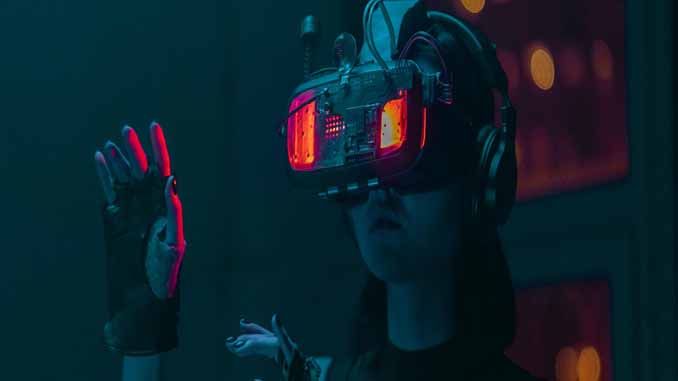
What Is Augmented Reality?
Augmented Reality (AR) is an advanced technology that blends the digital world with the physical world in real-time. Unlike Virtual Reality (VR), which immerses users in entirely digital environments, AR overlays digital information, such as images, sounds, or other data, onto the real world. This creates an interactive and enhanced experience, providing users with contextual information and interactive content.
How AR Works
AR uses a combination of hardware, software, and sensors to recognize and track real-world objects or environments and then add digital elements that enhance or interact with those surroundings. The primary components of AR technology include:
Hardware: Devices like smartphones, tablets, AR glasses, or headsets are essential for accessing AR experiences. These devices are equipped with cameras, processors, and sensors that capture and analyze the real-world environment.
Software: AR apps and platforms process data from the real world and overlay digital content like 3D models, images, sounds, and text. The software uses algorithms to recognize objects, track movements, and render digital elements in real-time.
Sensors: AR relies on cameras, GPS, accelerometers, and gyroscopes to gather information about the physical environment. These sensors track the user’s position, orientation, and interaction with the surroundings, ensuring the digital content aligns accurately with the real world.
Applications Of AR
Gaming And Entertainment: AR has revolutionized the gaming industry by creating immersive experiences that blend digital elements with real environments. Games like Pokémon Go use AR to overlay virtual creatures on real-world maps, offering a fun and interactive gameplay experience.
Retail And E-Commerce: AR enables virtual try-ons and product visualizations, allowing customers to see how products like clothes, furniture, or makeup would look in their own environment before making a purchase.
Education And Training: AR enhances learning by creating interactive and immersive experiences. For example, medical students can use AR to visualize human anatomy in 3D, or mechanics can use AR to simulate repairs in real-time.
Healthcare And Medical: AR applications in healthcare, such as surgical visualization, help doctors perform complex procedures more accurately by overlaying vital information directly onto the patient’s body.
Manufacturing And Maintenance: AR helps technicians and workers with hands-on tasks by overlaying information like 3D models, instructions, or maintenance guidelines, improving efficiency and accuracy.
Benefits Of AR
Enhanced User Experience: AR creates more engaging and interactive experiences, improving customer satisfaction and engagement.
Increased Efficiency And Productivity: By providing real-time information and guidance, AR reduces errors, speeds up tasks, and enhances productivity in various industries.
Improved Decision-Making: AR offers real-time data, helping users make informed decisions more effectively.
Challenges And Future Of AR
While AR holds tremendous potential, challenges like hardware limitations, privacy concerns, and the need for high-quality AR content remain. However, advancements in AR technology, including faster processors, better sensors, and improved software, continue to drive its growth and adoption across various industries.
Augmented Reality is transforming how we interact with the world, blending digital and physical environments to create more engaging and interactive experiences. From gaming and retail to healthcare and education, AR continues to evolve and unlock new possibilities for how we live, work, and play.
