The Key Elements Of Avian Flight
How Do Birds Fly?
Birds are remarkable creatures capable of flight, a skill that has fascinated scientists and observers for centuries. The ability to soar, glide, and flap their wings is essential for birds to navigate their environment, escape predators, and find food. The mechanics of bird flight are complex, involving a combination of anatomical adaptations, physics, and physiological processes that allow birds to take to the skies with ease.
Anatomy And Wing Structure
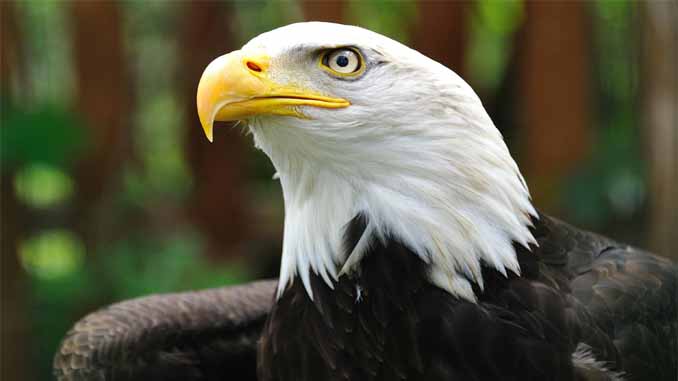
The structure of a bird’s wings plays a crucial role in enabling flight. Birds’ wings are lightweight but strong, consisting of feathers, bones, and muscles that work together to generate lift. The primary flight feathers, such as the long, stiff feathers on the wings and tail, provide the necessary surface area to generate lift and thrust. The shape and configuration of the wings differ among species, influencing how they fly. For example, birds like eagles have wide, broad wings designed for soaring, while swallows have narrow, pointed wings suited for rapid, agile flight.
Lift And Thrust
The principle of lift is fundamental to bird flight. Lift is generated when air flows over and under the wings, creating an upward force that counteracts gravity. Birds’ wing shapes, combined with the angle at which they flap, optimize lift. Thrust, on the other hand, is produced by the downstroke of the wings as birds flap, pushing them forward. The motion of flapping creates a continuous cycle of lift and thrust, allowing birds to remain aloft.
Muscular Power And Wing Flapping
Birds have powerful chest muscles called pectorals that drive wing movement. These muscles contract and expand during each flap, generating the necessary force to power flight. The rapid flapping creates a back-and-forth motion, providing both lift and forward thrust. Smaller birds tend to have quicker wingbeats, while larger birds with longer wings have slower wingbeats and rely more on gliding.
Airflow And Wing Adaptations
Birds have specialized wing structures that adapt to different flight styles. Birds like hawks and eagles utilize soaring flight, where they ride air currents to conserve energy, while species like hummingbirds rely on rapid wingbeats to hover in place. The wingtip feathers of some birds also help reduce drag, making their flight more efficient.
Energy Efficiency And Flight Techniques
Birds have evolved various flight techniques that enhance energy efficiency. Soaring, gliding, flapping, and hovering are all strategies employed by different bird species. By taking advantage of thermals (rising columns of warm air) or using their environment, birds reduce the energy needed for sustained flight. Migratory birds, for example, often use prevailing winds to cover vast distances with minimal energy expenditure.
The ability of birds to fly is the result of a combination of anatomical adaptations, physics, and energy-efficient flight techniques. Their lightweight, strong wings, powerful muscles, and specialized flight behaviors enable birds to navigate the skies, making them some of nature’s most extraordinary fliers.
